Cart 0
Introduction
Remember those old classrooms? Rows of desks all facing the teacher, a chalkboard (or maybe an overhead projector if you were lucky!), and the constant hum of memorization. Well, hold onto your textbooks because the learning environments of today are a whole new world. Technology is changing everything, and classrooms are evolving fast to keep up. They’re becoming vibrant hubs of exploration, interaction, and – dare I say – fun!
Let’s speak about a school in Copenhagen. If you walk down the hall you will hear the excited chatter of students. Peeking into the classroom, you will see no desks in sight! Kids are sprawled on beanbag chairs, gathered around interactive tables, and even building a miniature city out of recycled materials in a corner. The teacher moves from group to group, guiding and encouraging, more like a mentor than a lecturer. It’s a snapshot of how learning spaces are adapting to encourage exploration and a love for learning.
This transformation is happening everywhere. Let’s dive into some of the key trends shaping the future of learning:
From Static to Dynamic: The Rise of Flexible Spaces
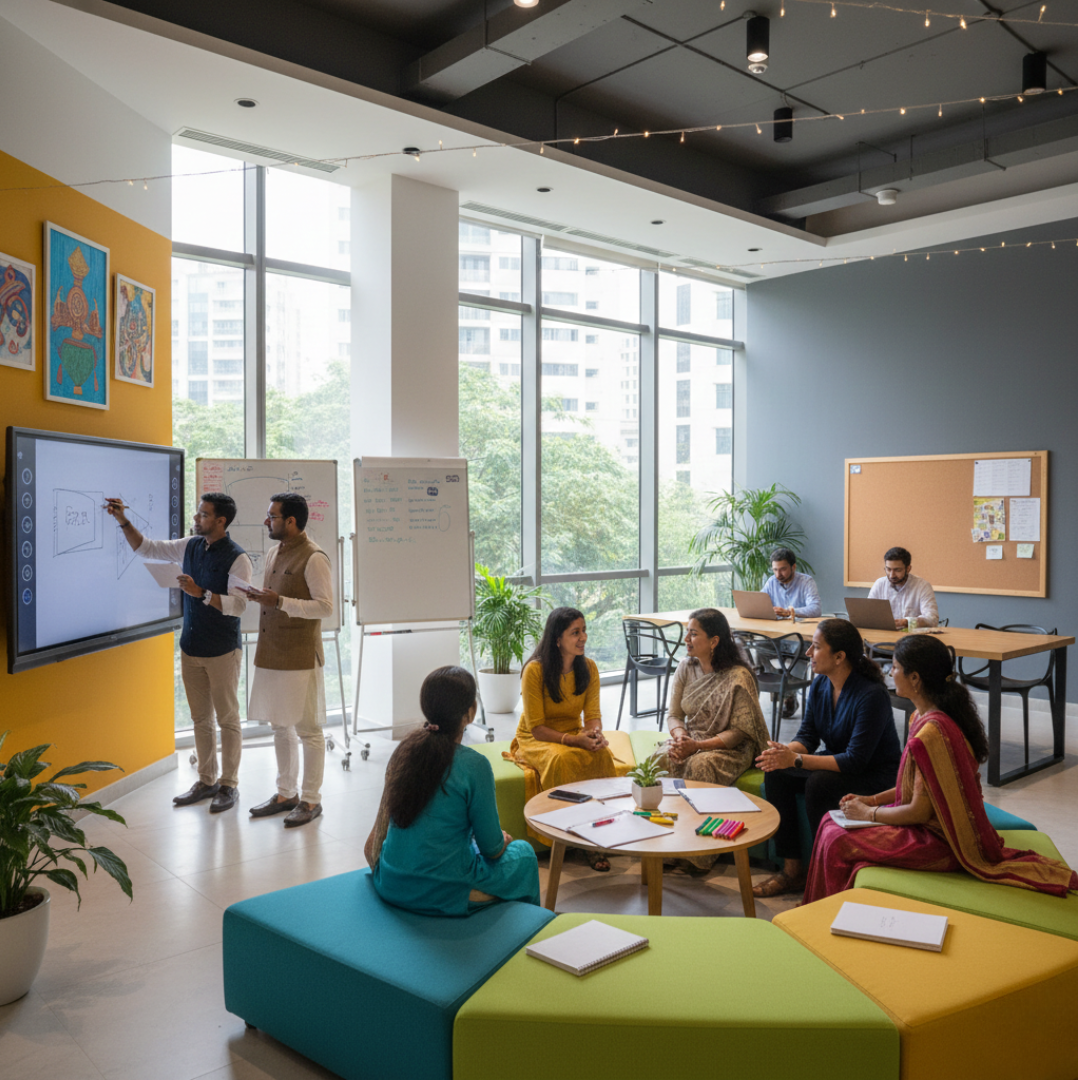
Forget those old, rigid classrooms. Today’s learning spaces are all about flexibility and adaptability. Think modular furniture that can be rearranged in minutes to create different learning zones. Need space for group projects? Push those tables together! Want a quiet corner for individual work? No problem, just reconfigure the space.
Example:
Ørestad Gymnasium in Copenhagen: This high school features a massive, open “learning plateau” with movable walls and furniture, allowing teachers and students to customize the space to fit their needs.
Technology: More Than Just a Smartboard
Technology in the classroom is nothing new, but we’re moving way beyond just using a smartboard. Now, we’re talking about integrating tools that truly engage students and allow for deeper learning.
Examples in Action:
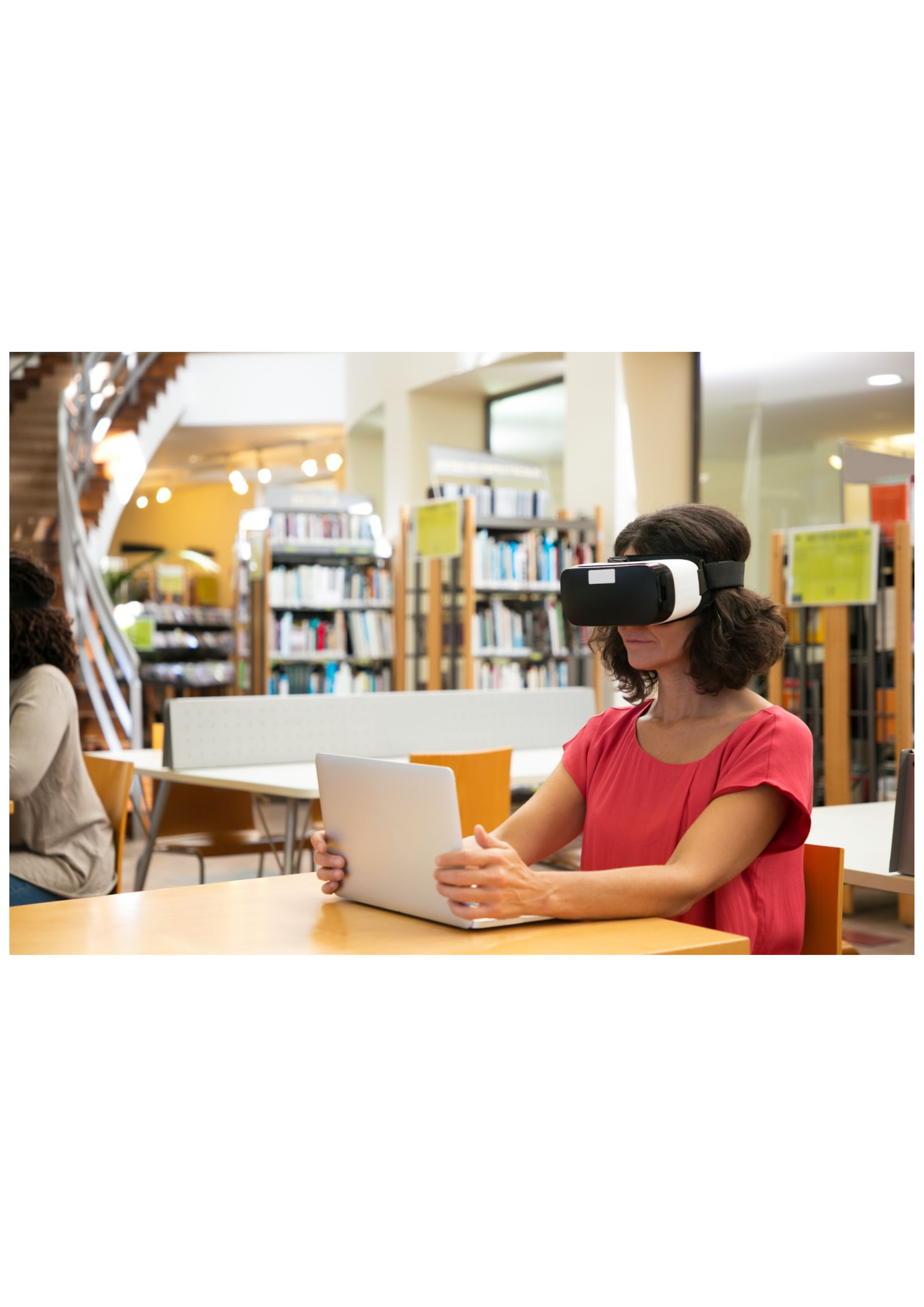
Virtual Reality (VR) Field Trips: Imagine exploring the Amazon rainforest or the surface of Mars without leaving the classroom! VR is bringing immersive learning experiences to life. Check out Google Expeditions for some amazing examples.
Augmented Reality (AR) Apps: These apps overlay digital information onto the real world, making learning interactive and engaging. For example, students can use AR apps to dissect a virtual frog or explore the human body in 3D.
Learning Management Systems (LMS): Platforms like Google Classroom are becoming essential tools for communication, collaboration, and personalized learning.
Creating Spaces for Every Learner
Every student learns differently. Some thrive in groups, others need quiet time to focus. Modern learning spaces recognize this by incorporating a variety of learning zones.
Take for instance:
Learning Pods: These small, enclosed spaces provide a quiet and focused environment for individual work or small group discussions.
Outdoor Learning Spaces: Taking learning outside has huge benefits! Gardens, courtyards, and even rooftop classrooms provide opportunities for hands-on learning and connecting with nature. The Waldkindergartens which originated in Scandinavia take this to the extreme, with entire preschools held outdoors!
Beyond the Textbook: Developing Essential Skills
It’s not just about memorizing facts anymore. 21st-century learning spaces are designed to help students develop the skills they’ll need to succeed in our rapidly changing world. These spaces encourage communication, problem-solving, and adaptability.
One such example is Project-Based Learning: This approach allows students to tackle real-world problems, working together to research, design, and create solutions. Imagine a classroom transformed into a bustling design studio where students are designing a sustainable city of the future!
Learning from the World: Global Inspiration
Innovation in education is happening all over the globe. Here are a few examples:
Finland: Known for its high-quality education system, Finland prioritizes student well-being and personalized learning. Classrooms are designed to be comfortable and inviting, and teachers have a high degree of autonomy in their classrooms.
The Netherlands: Many Dutch schools have embraced the concept of “Het Nieuwe Leren” (New Learning), which emphasizes student-centered learning, collaboration, and the use of technology.
Looking Ahead: Challenges and Opportunities
Creating these innovative learning spaces isn’t without its challenges. Cost, teacher training, and ensuring equitable access for all students are important considerations. But the potential rewards are huge. By embracing these new trends, we can create learning environments that truly prepare students for the future.
The future of learning is here, and it’s exciting! Let’s continue to explore, innovate, and create spaces where every student can thrive.