Choithram IB School, Indore
Choithram School, an IB institution in Indore, partnered with CIVOM to reimagine its Early Years and Primary Wing. The goal was to create a complete, future-ready learning environment that supports EYP, PYP, and Grade 1 learners through thoughtfully designed studios, commons, and experiential learning spaces.
CIVOM was entrusted with end-to-end spatial design, layout restructuring, and complete furniture solutions.
• A transformative redesign of 7,700 sq. ft. to support up to 120 learners simultaneously.
• Created fluid, multi-functional learning zones aligned with IB pedagogy. Also enhanced visual transparency and safety with full glass partitions.
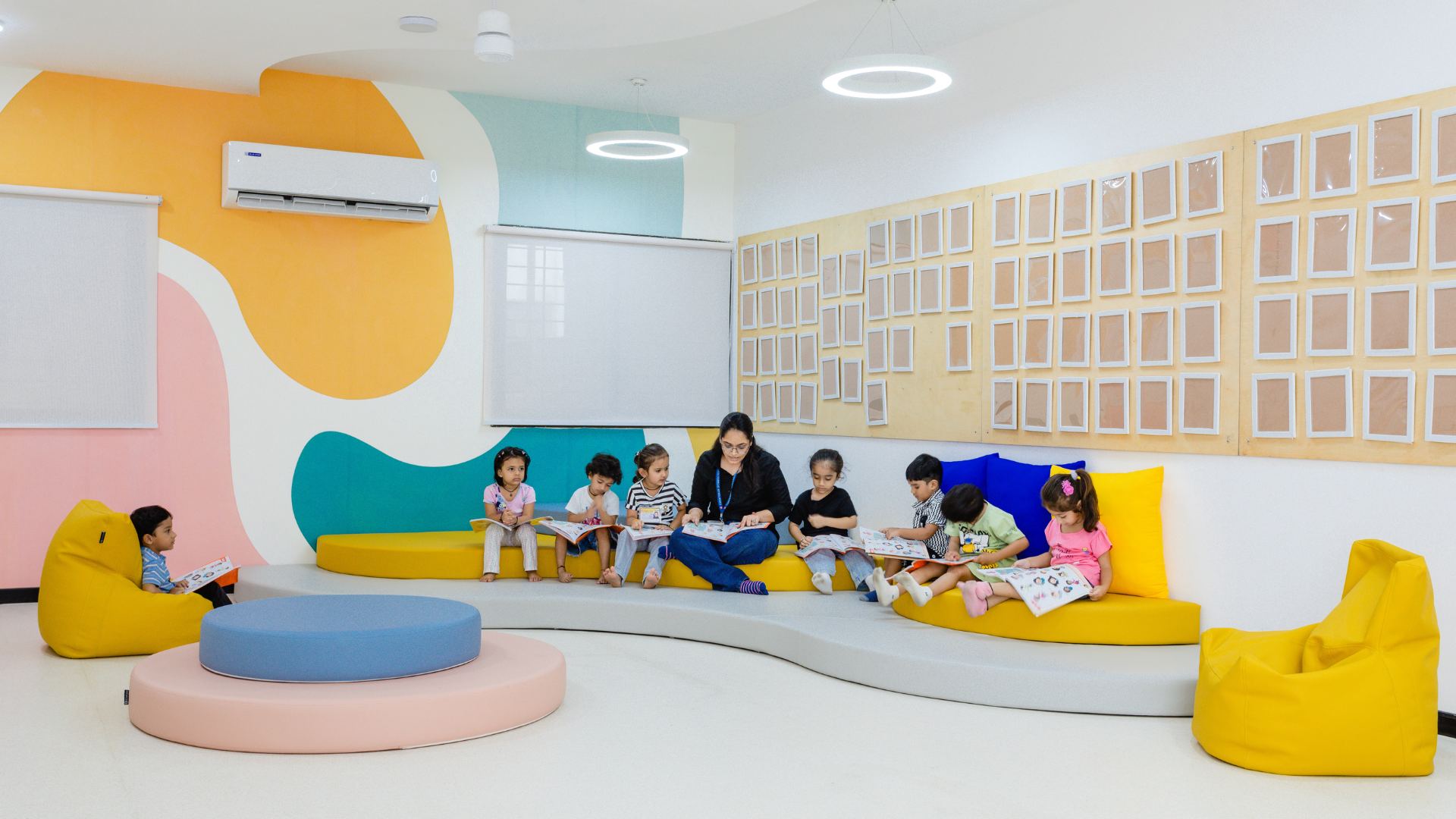
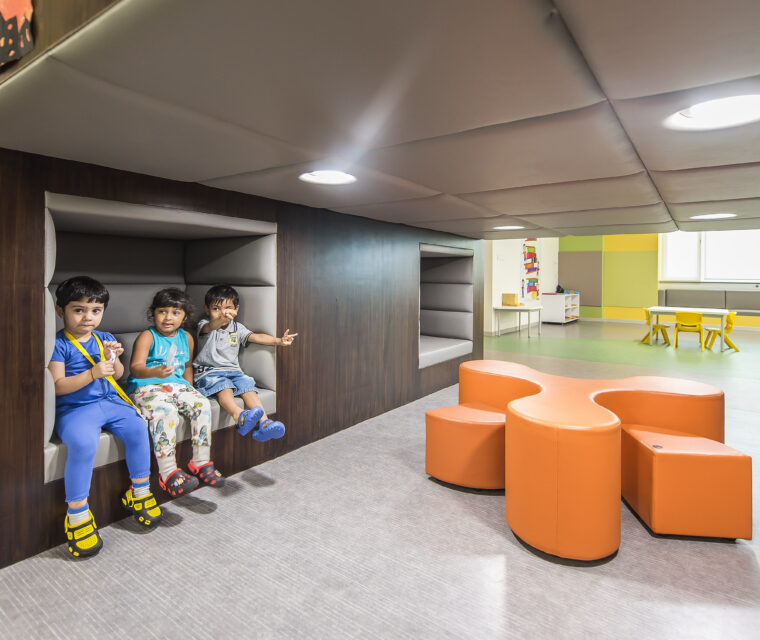
• Introduced child-centric interactive zones such as “My Space” storytelling wall. Integrated functional upgrades including shoe storage, teacher lounge, and sensory play environments.
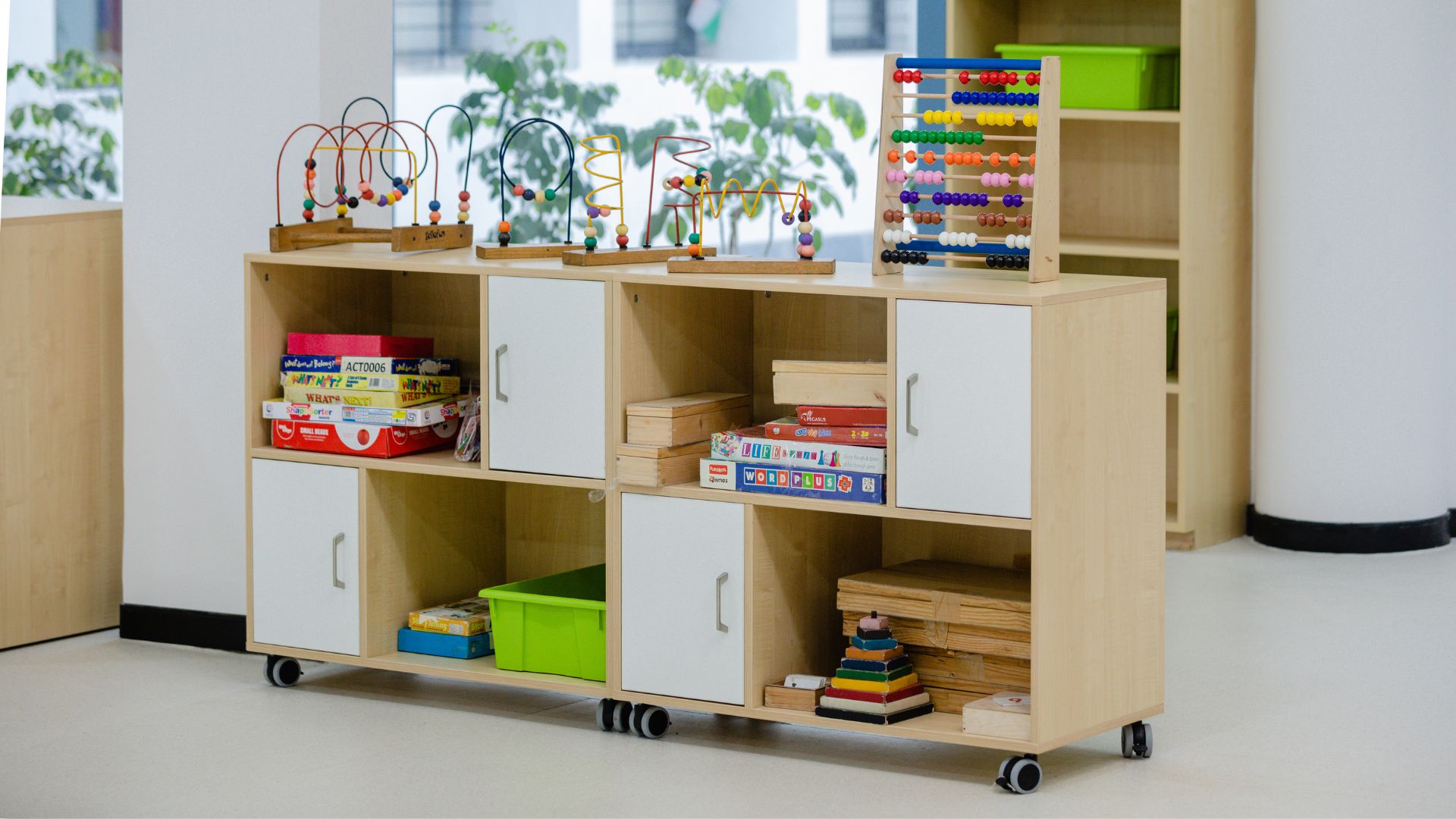
• Complete design-to-delivery execution, including custom 21st-century furniture by CIVOM.

The transformation journey began with a series of collaborative discovery sessions with school stakeholders to understand their aspirations, learner needs, and curriculum priorities. This process led to a spatial strategy that is responsive, inclusive, and deeply rooted in IB learning principles. One of the key interventions was removing a structural wall to create a warm, open, and welcoming entrance zone with built-in shoe storage improving daily flow and maintenance. To strengthen student identity and belonging, CIVOM introduced “My Space”, a storytelling corner dedicated to student photographs and narratives.
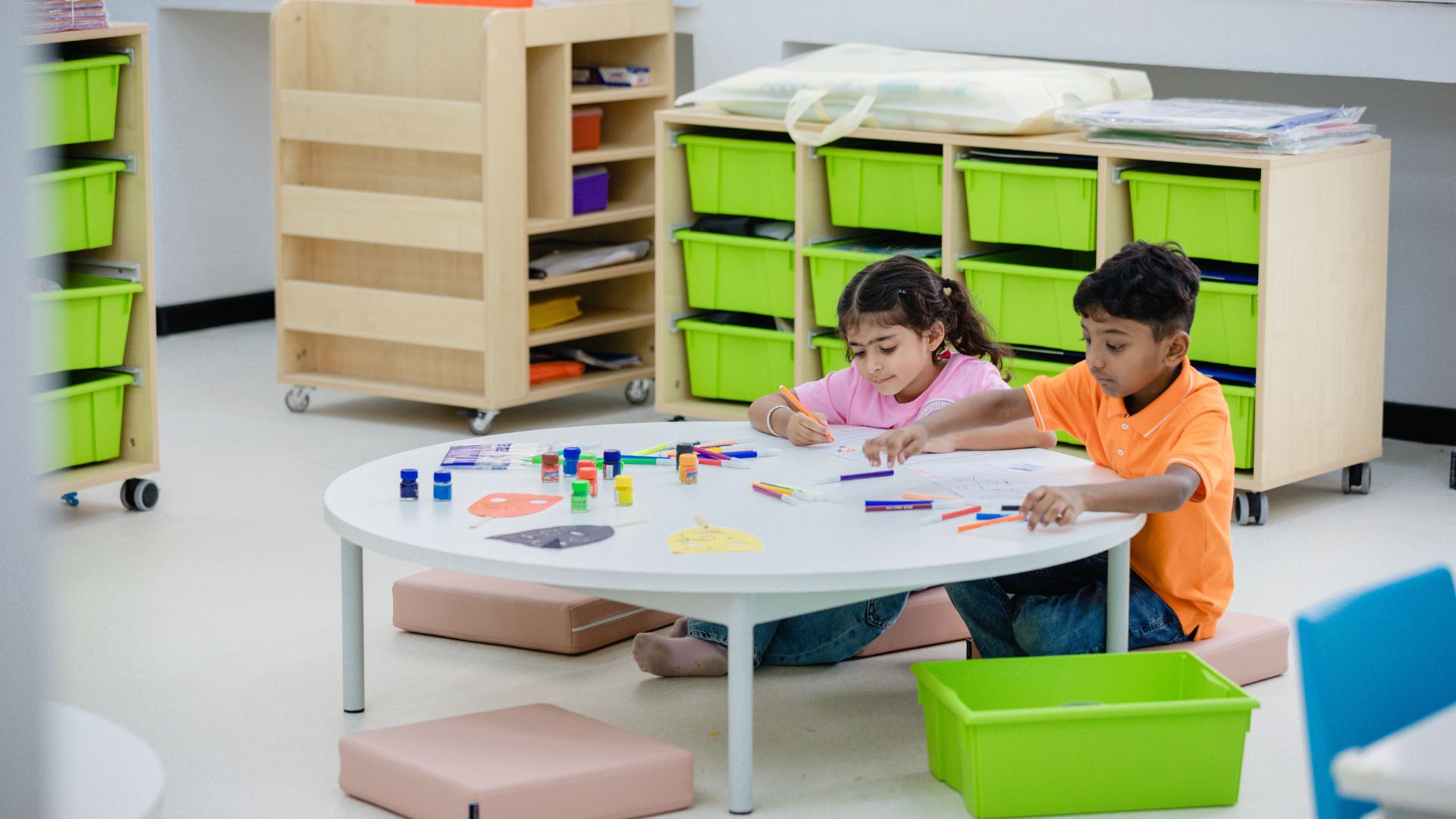
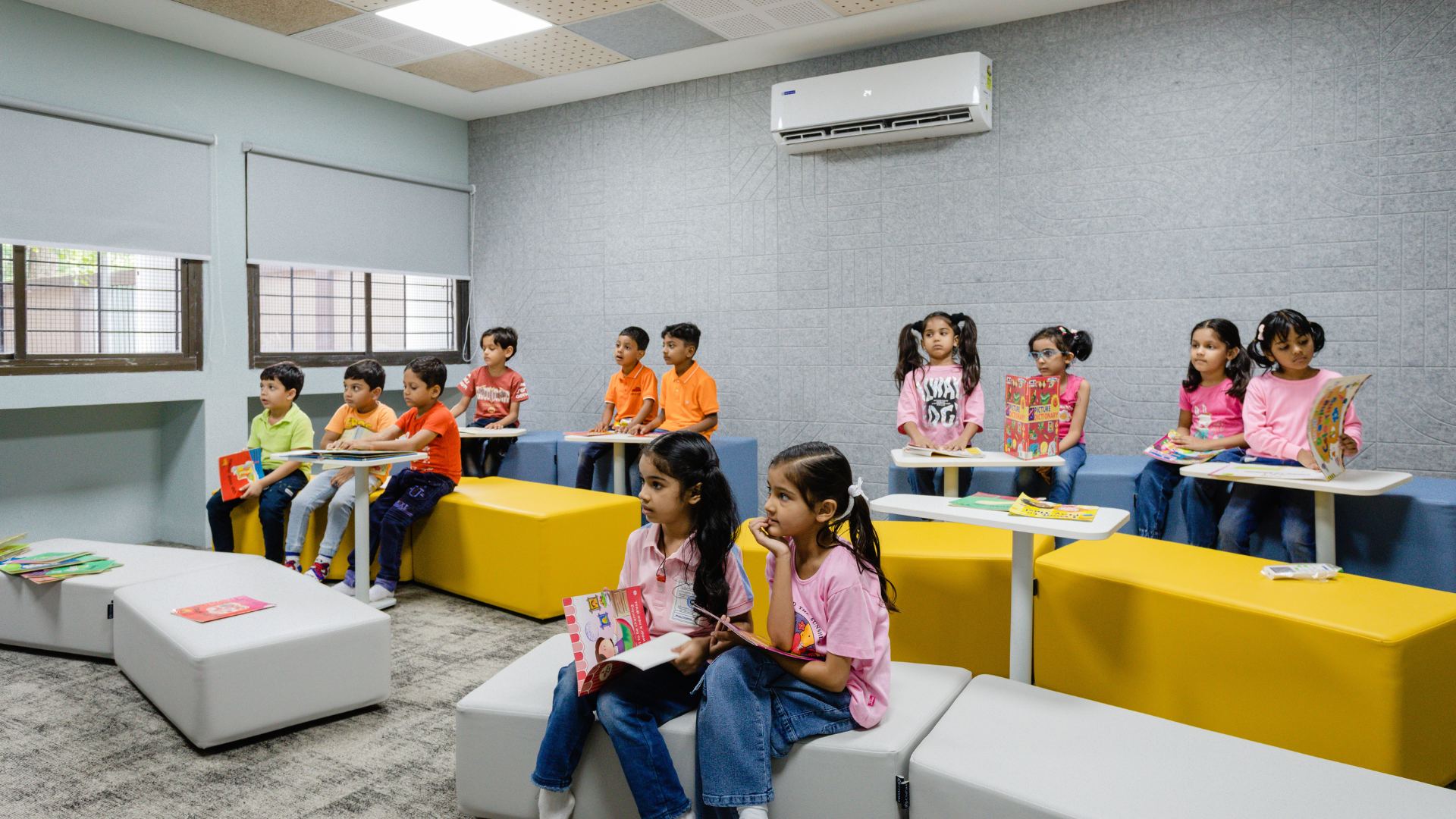
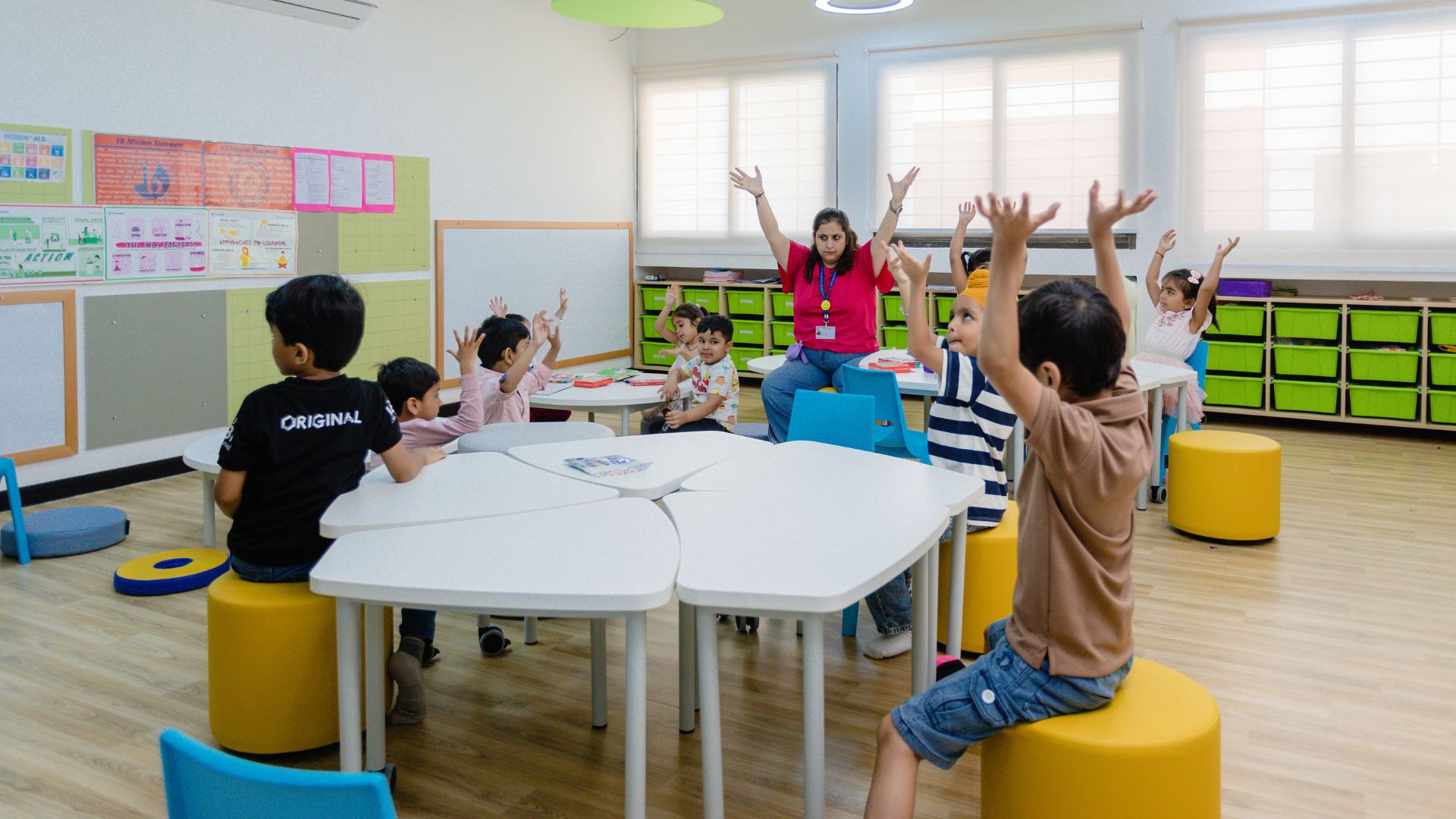
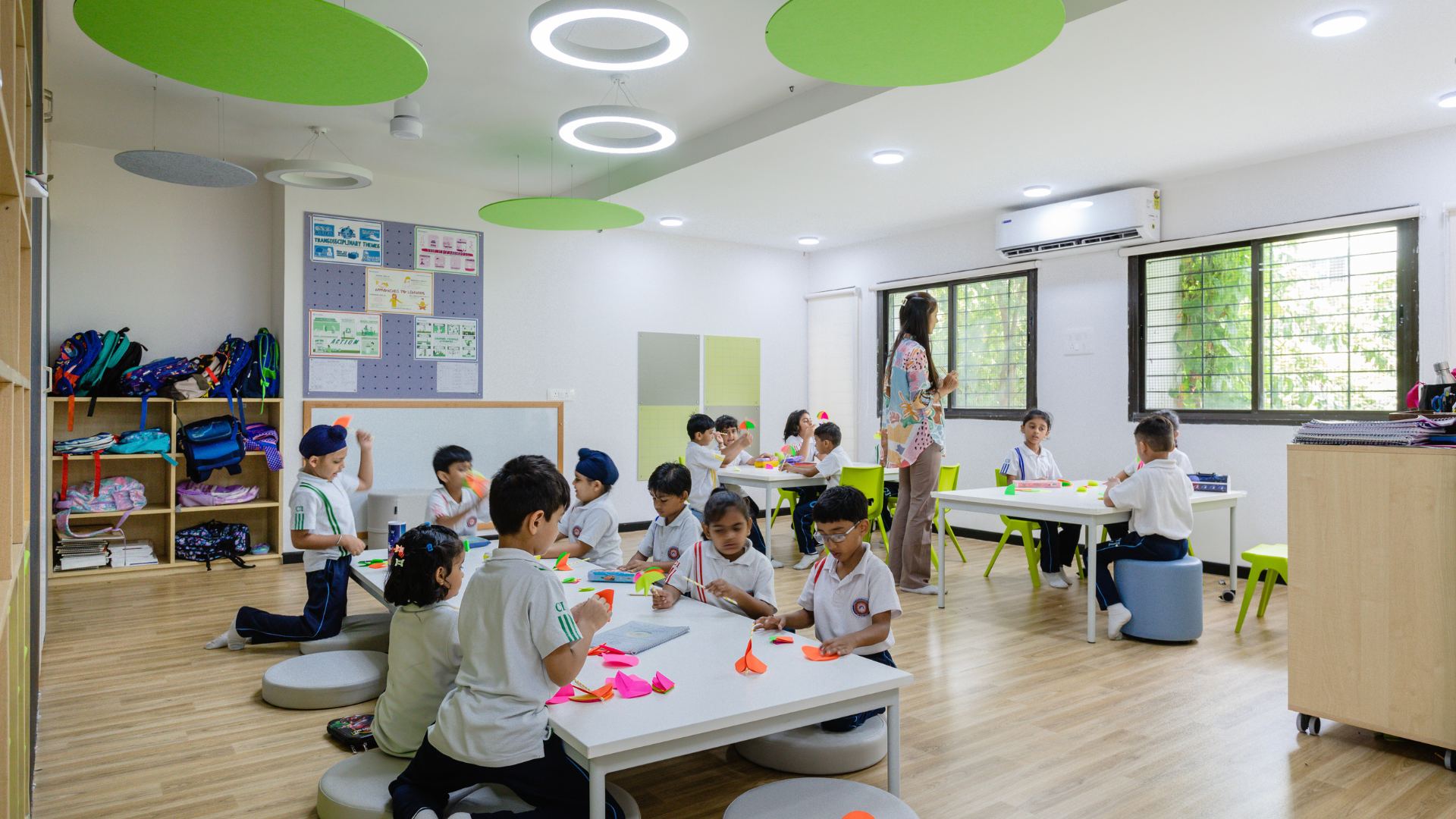
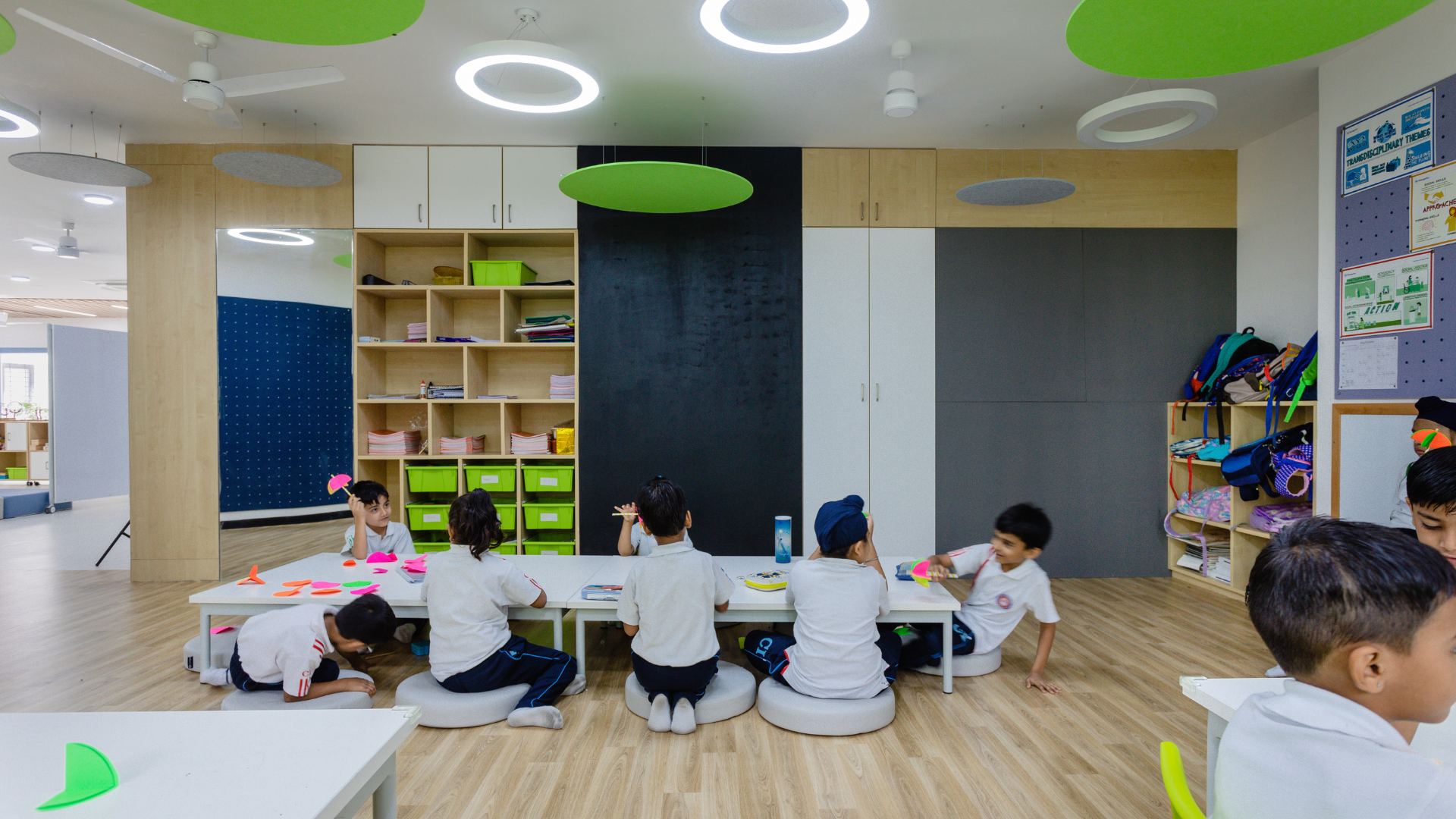
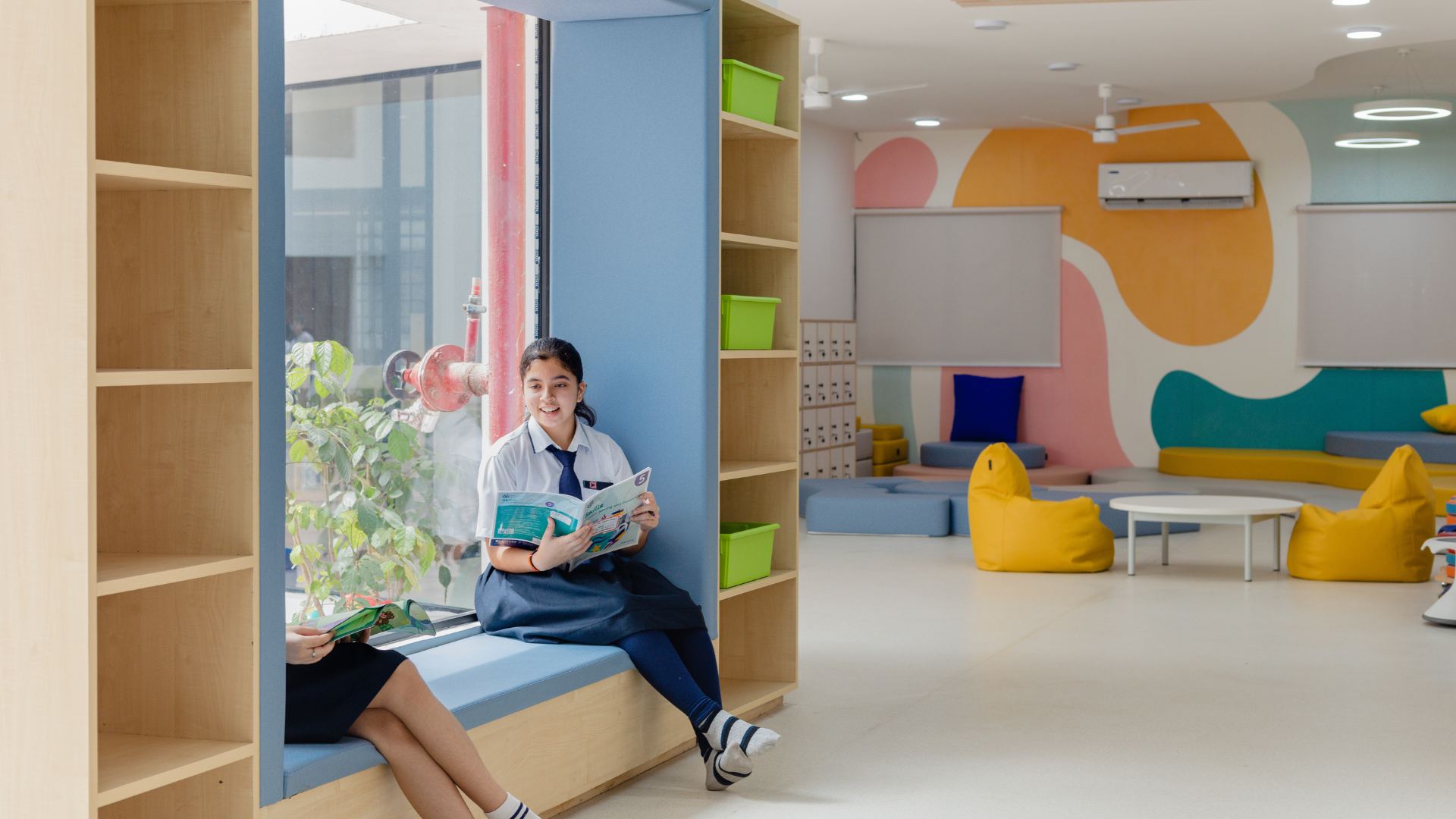
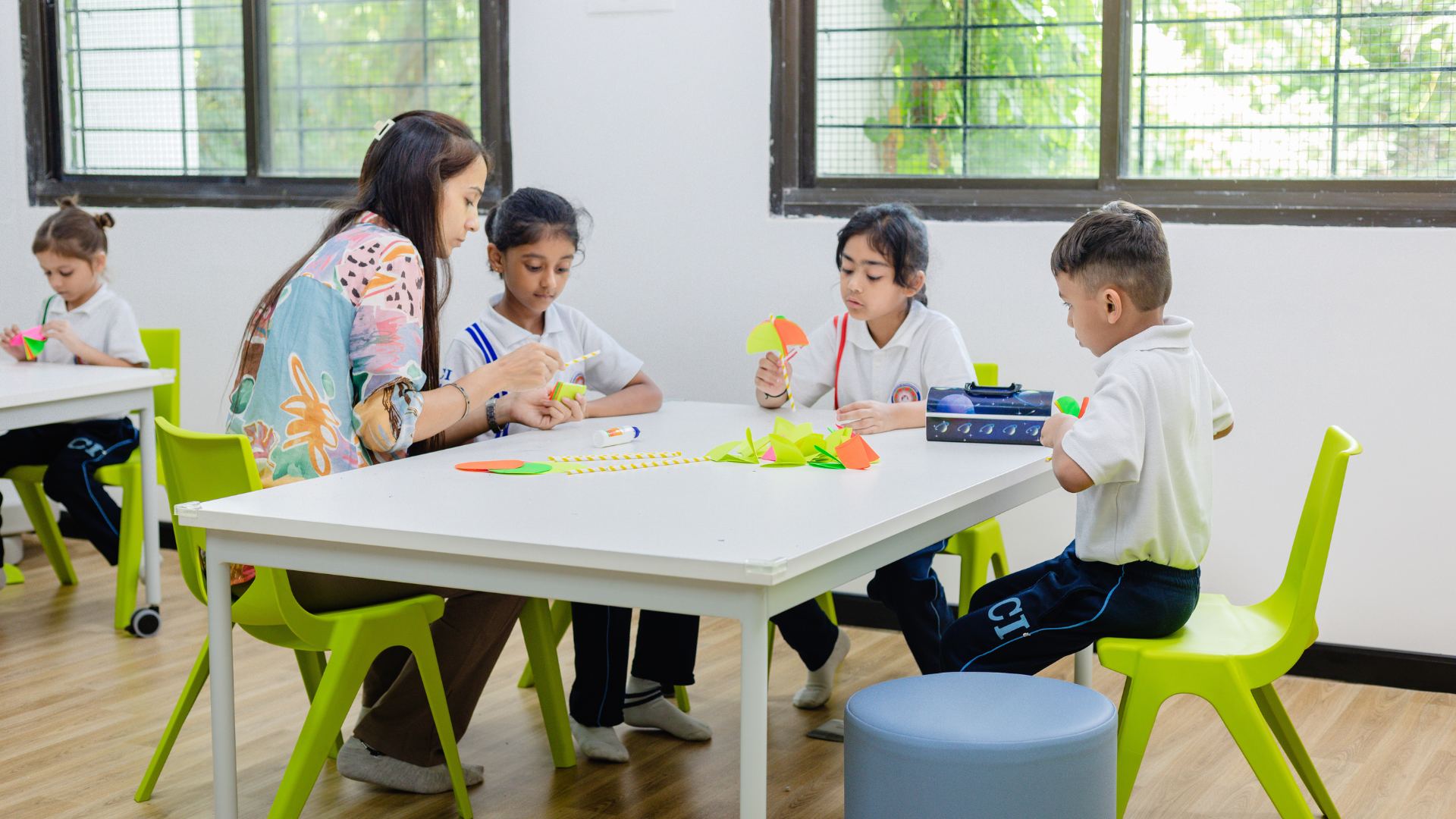
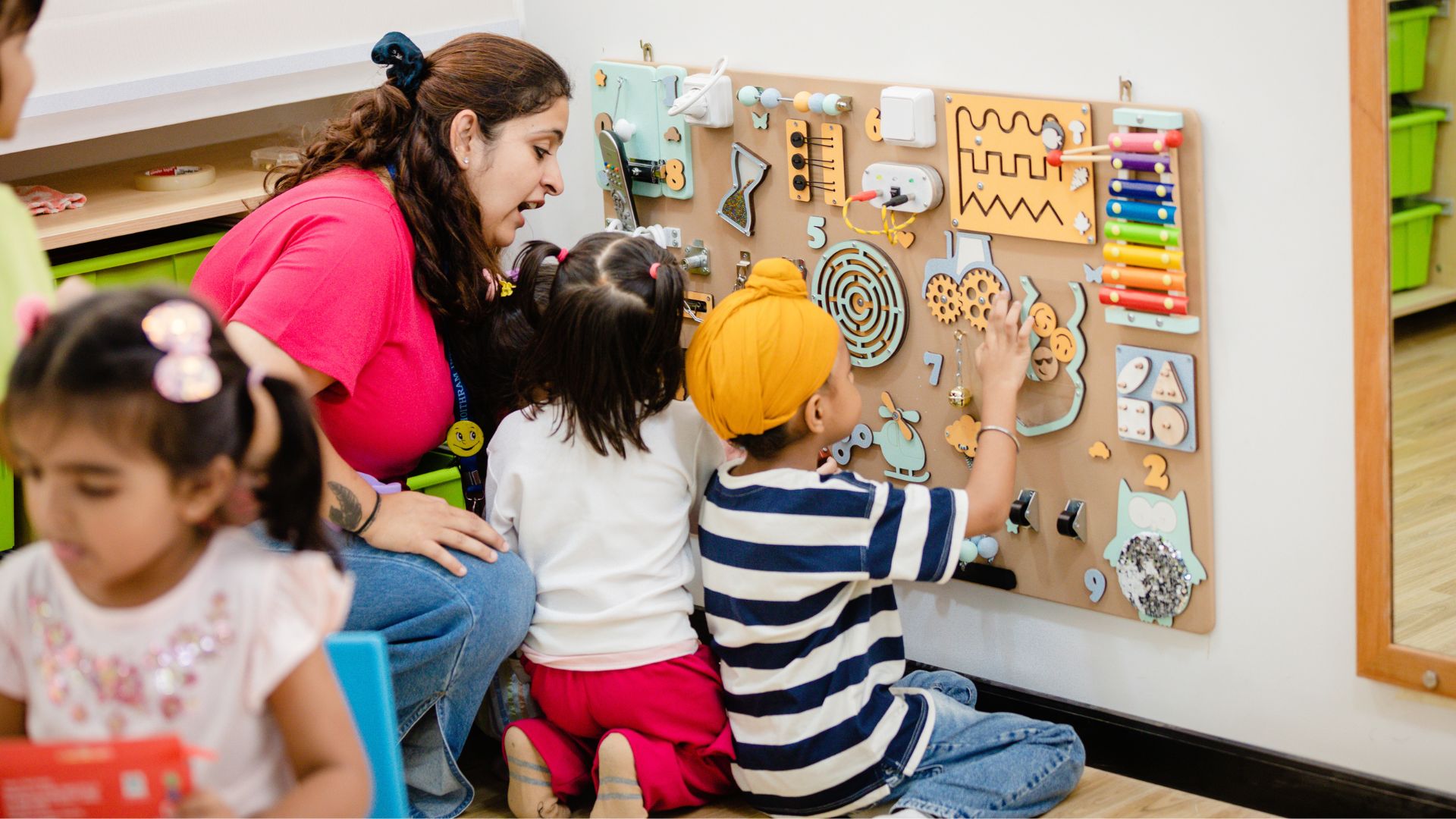
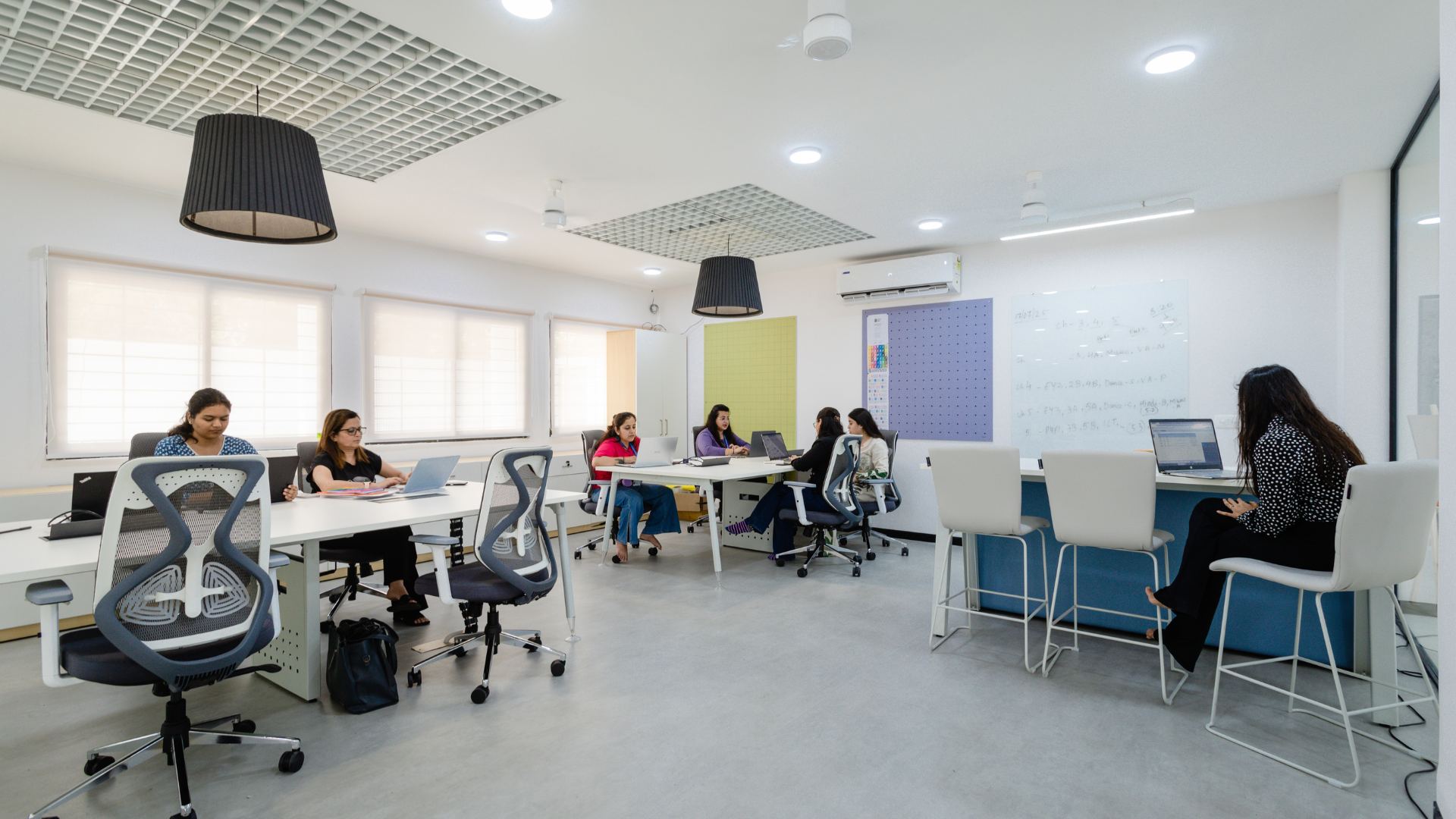
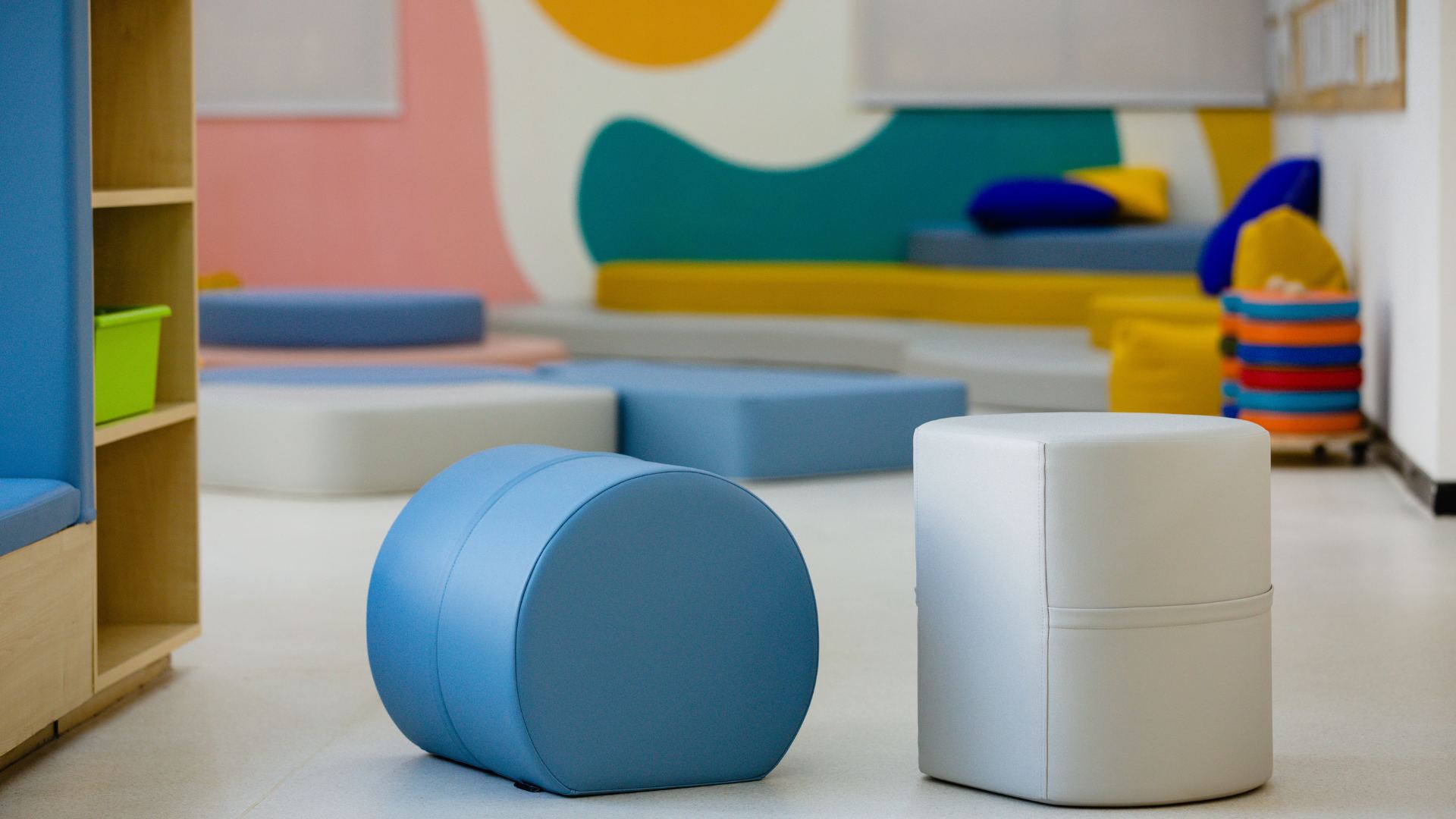
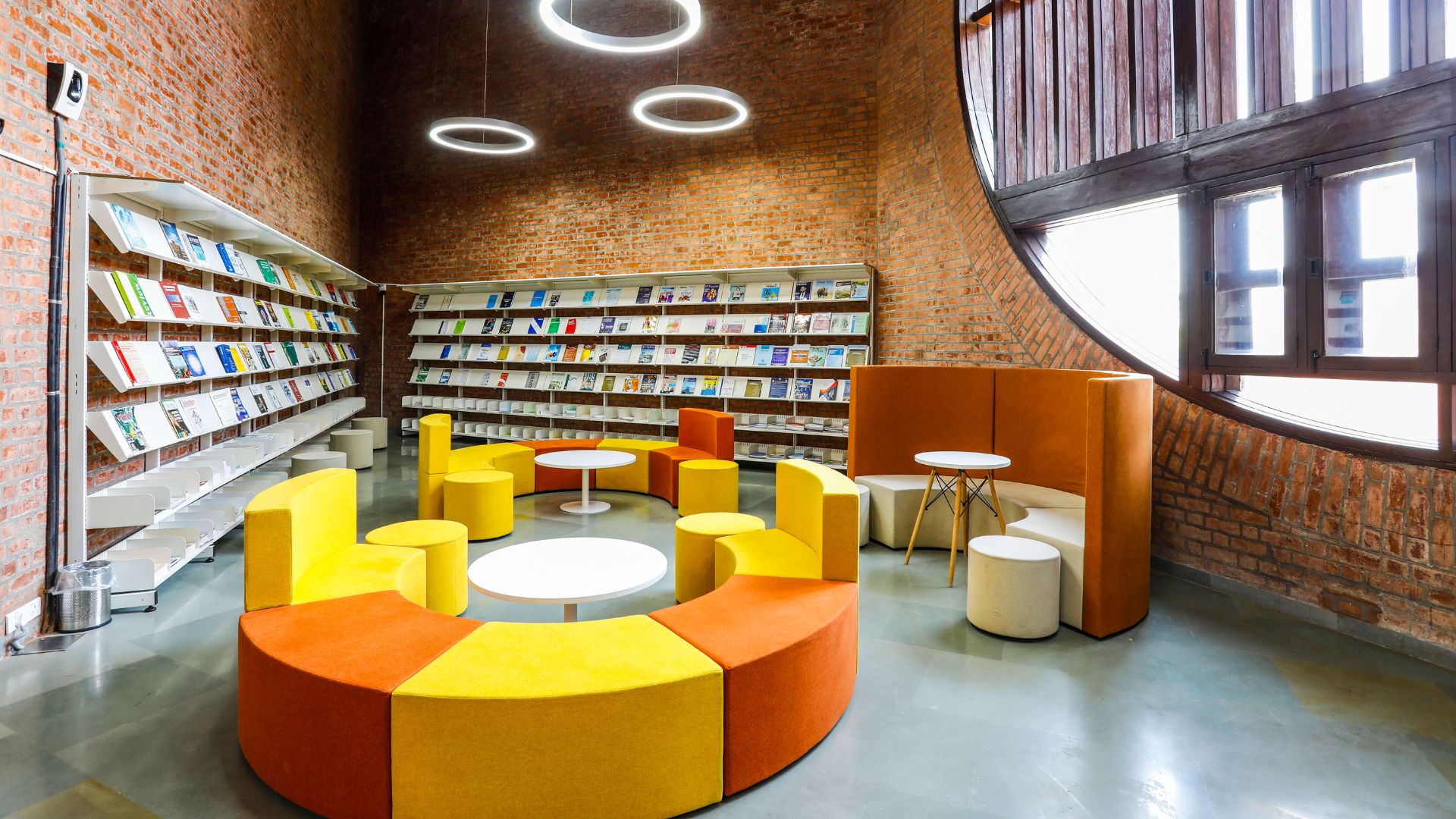
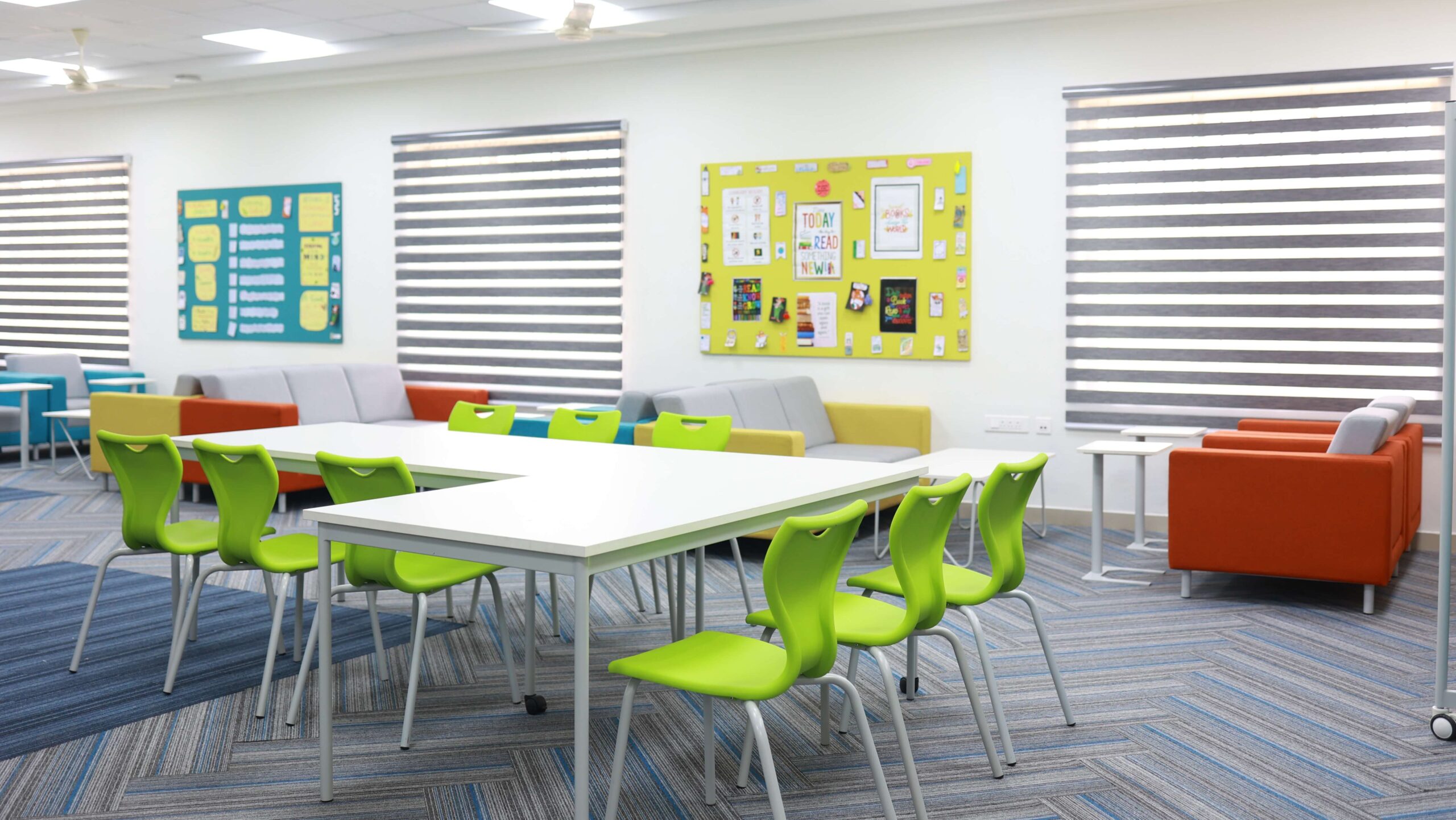
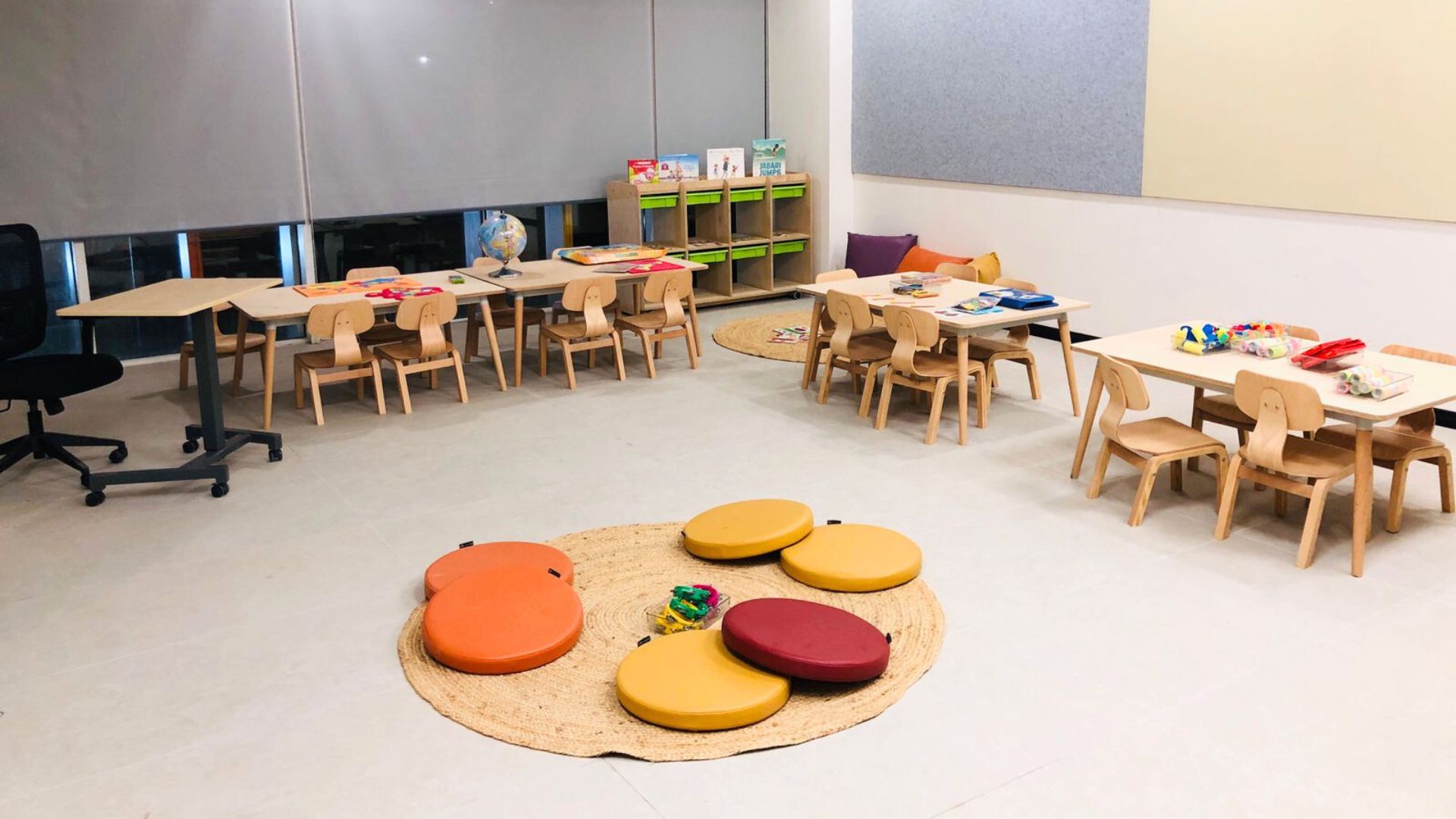
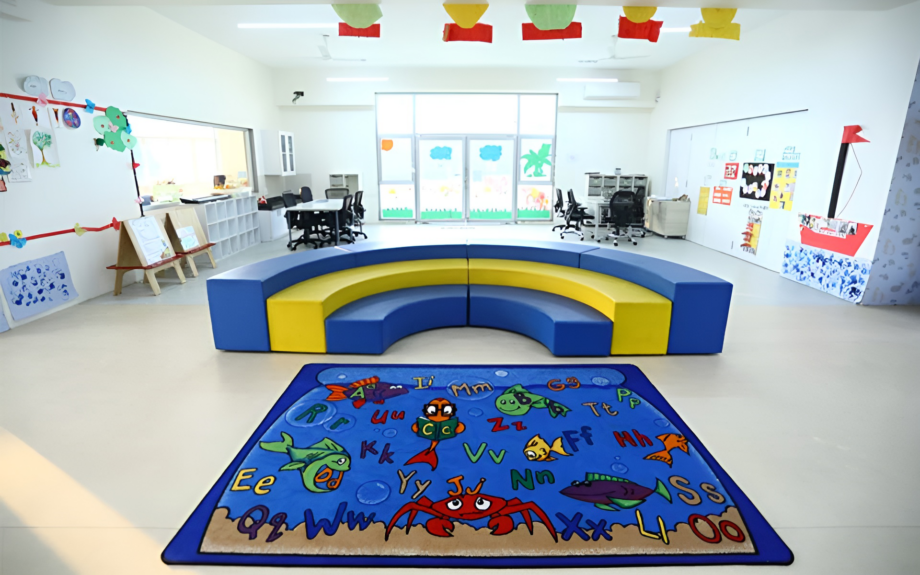
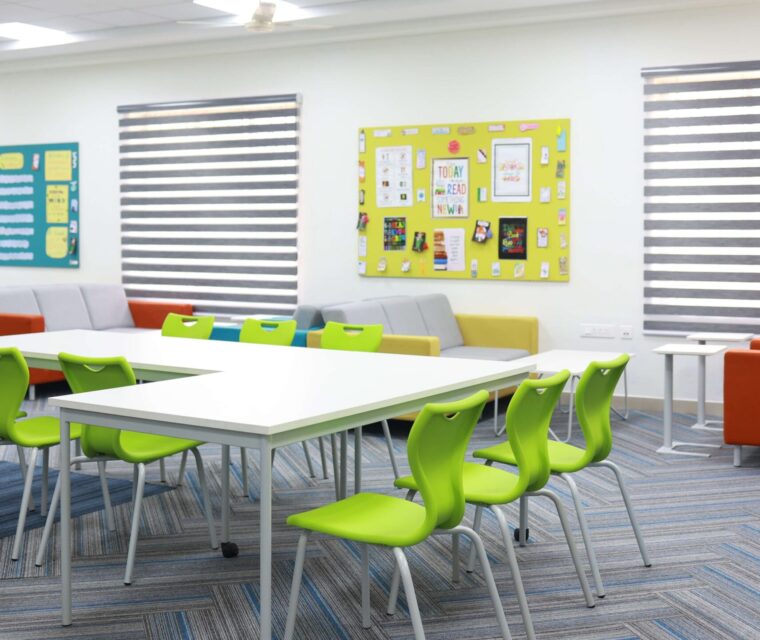
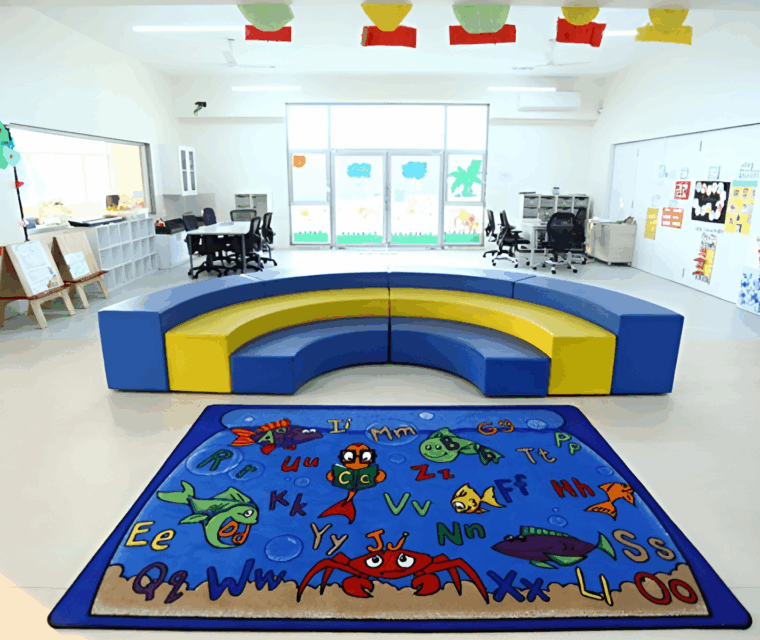
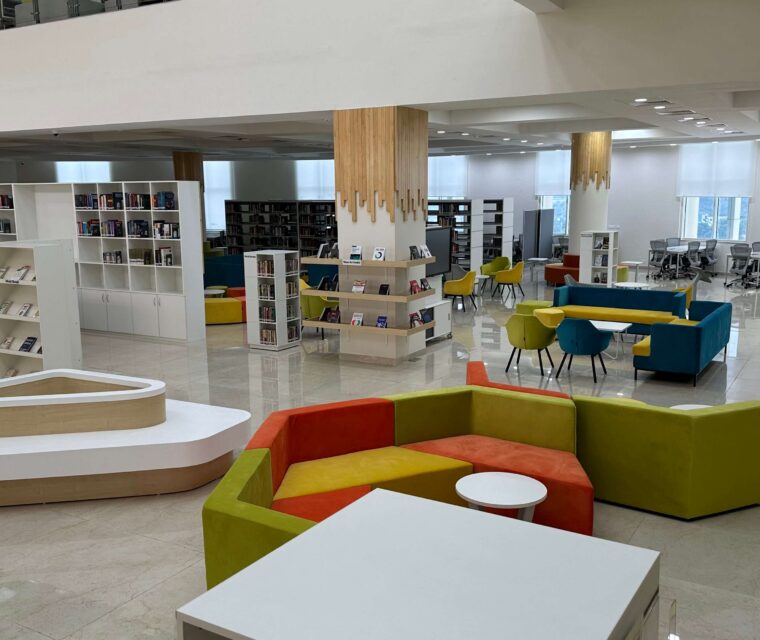
The redesigned environment features four well-equipped learning studios, thoughtfully furnished with flexible seating, writable surfaces, reading corners, and exploration zones. Two dynamic learning commons were created one of them offering wet & messy and dramatics areas to support sensory development and creative expression. A dedicated teacher lounge was also incorporated to encourage staff well-being, planning time, and collaboration.
Transparency and connectedness were central to the design; therefore, glass partitions were used throughout to maintain visual supervision while preserving spatial openness. The outcome is a vibrant, safe, and engaging ecosystem where curiosity thrives, collaboration becomes natural, and learning feels joyful.
This project stands as a powerful example of how spatial design, pedagogy, and innovative furniture can work together to shape meaningful learning experiences.