Campus K International School, Chennai
Campus K is a child-centered preschool to grade 5 institution in Chennai that believes young learners thrive when they are free to explore, question, and create. With an immersive, thematic, and project-based learning structure, the school encourages innovation and independent thinking from early years onward.
When Campus K collaborated with CIVOM, the leadership team envisioned learning environments that truly reflected their values spaces that inspire confidence, invite experimentation, and integrate student voice into everyday learning. CIVOM worked to translate this vision into functional, flexible, and psychologically supportive environments that adapt effortlessly to the demands of 21st-century teaching and learning.

-
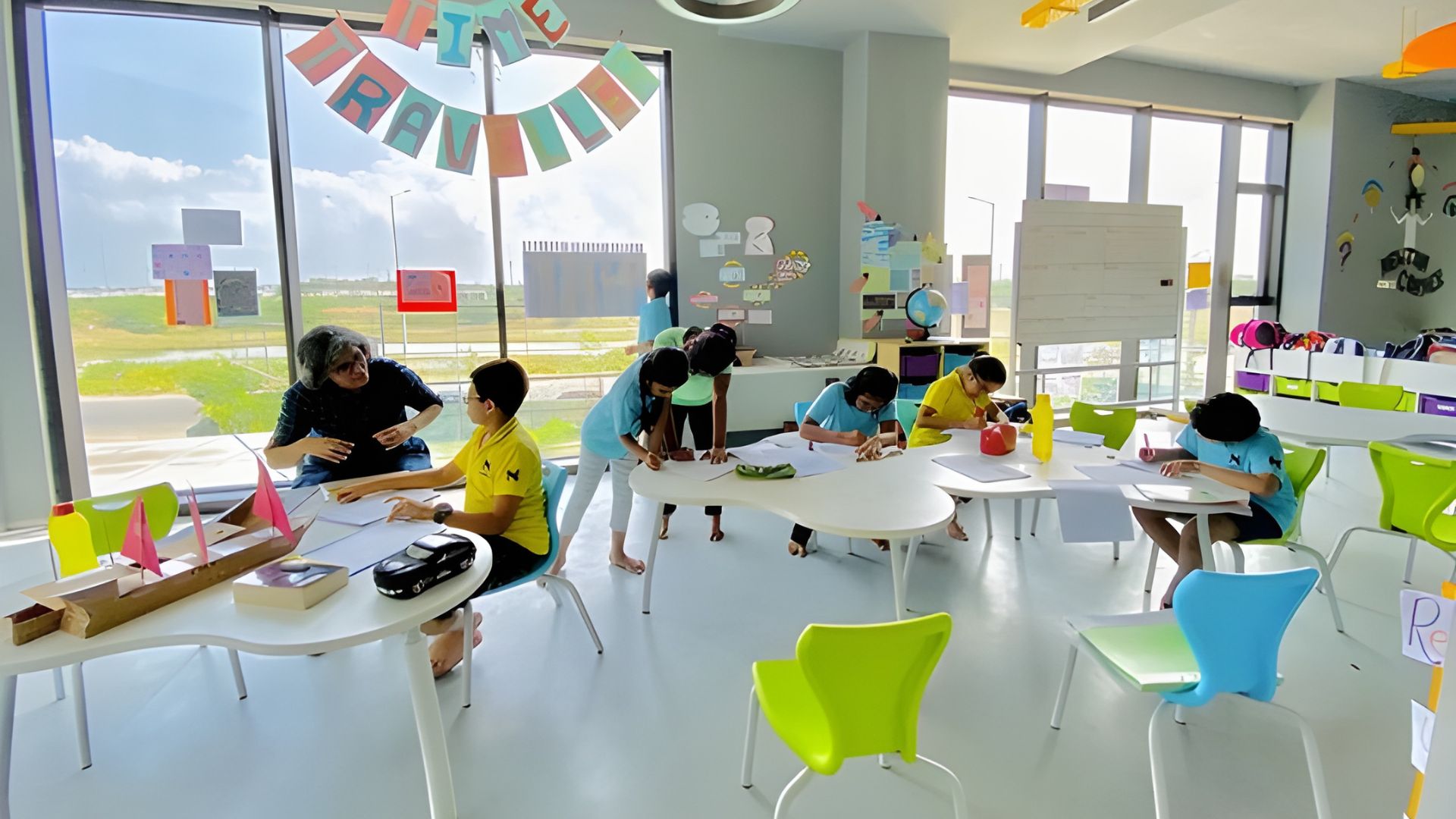
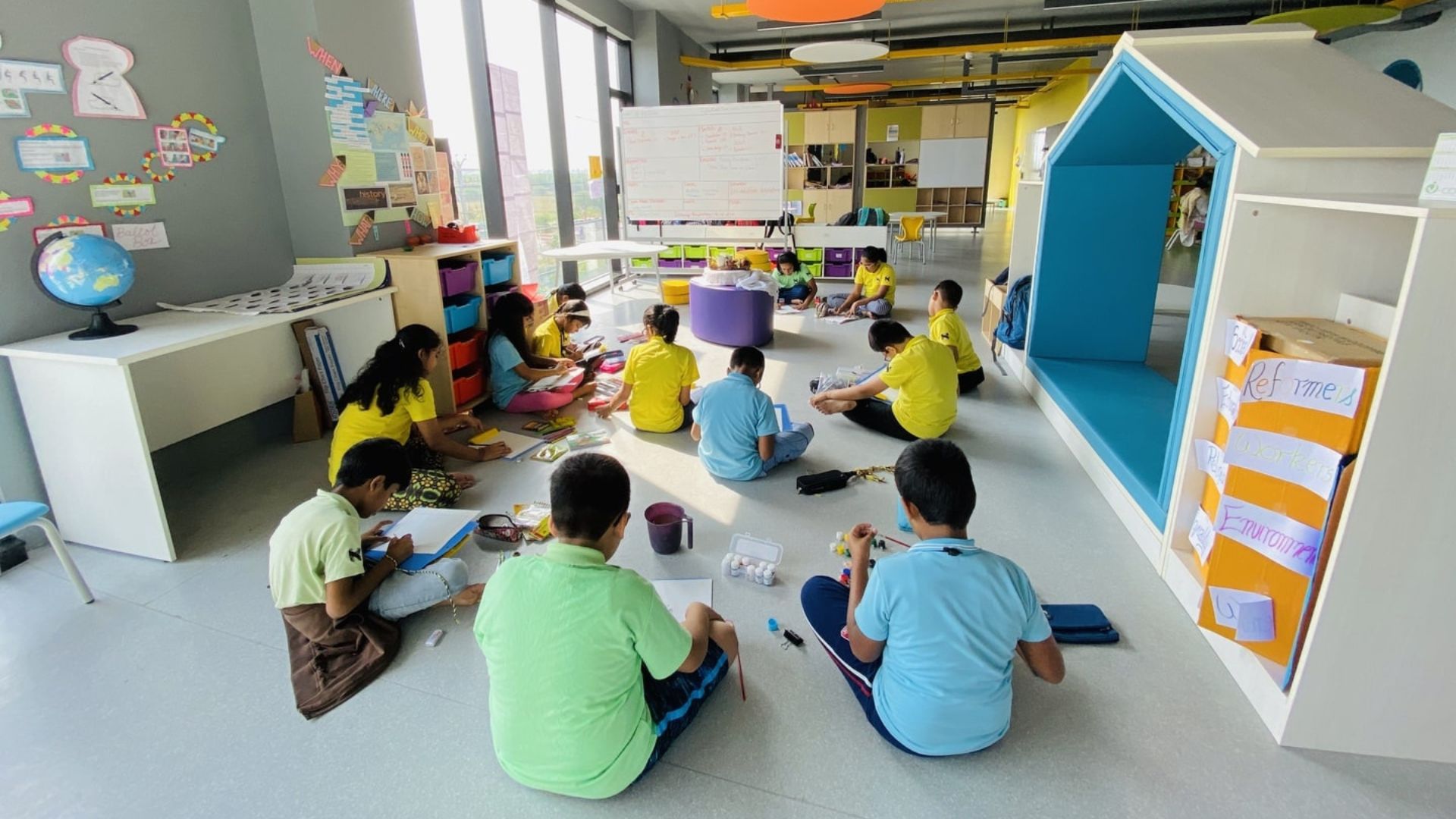
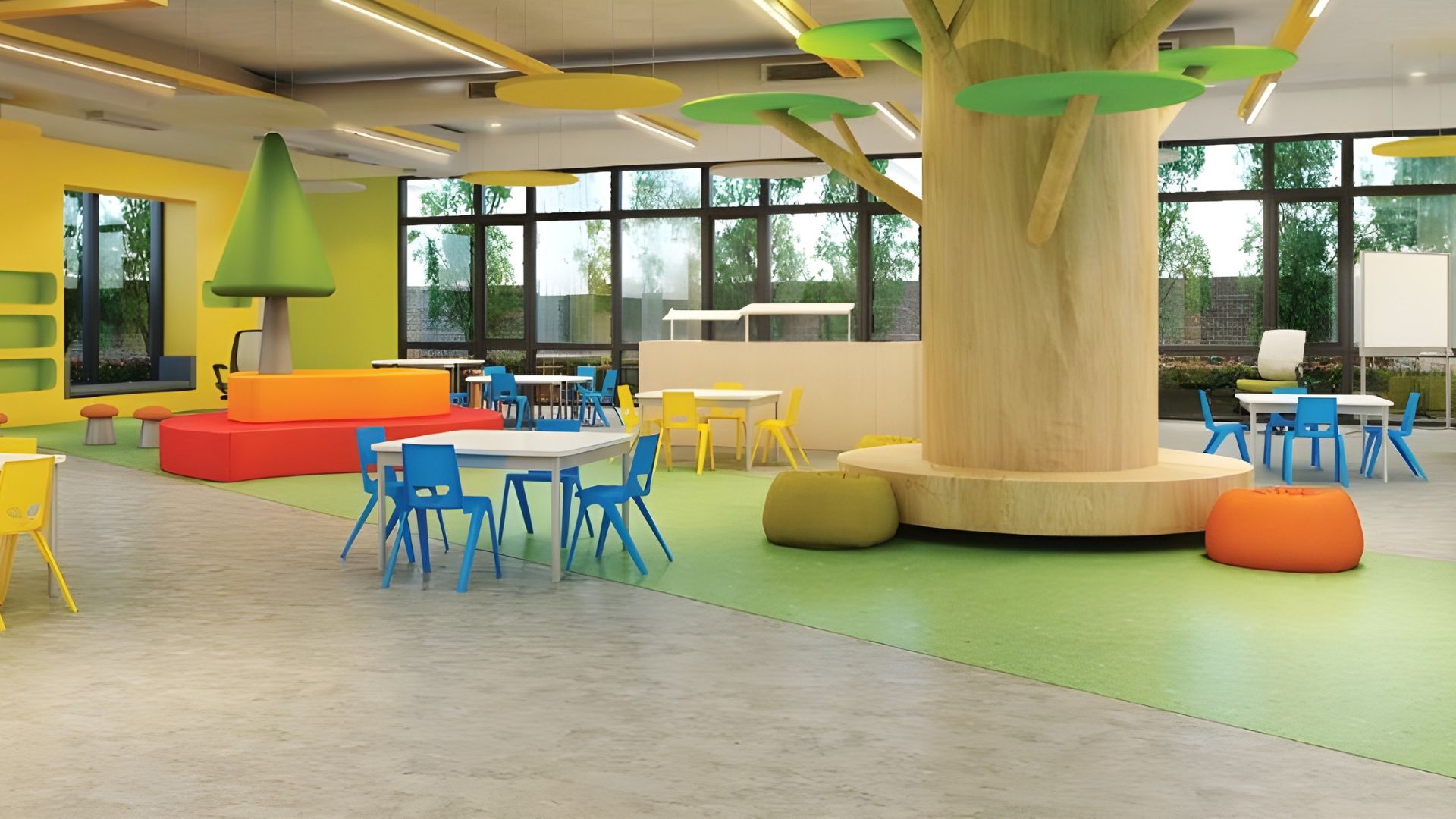
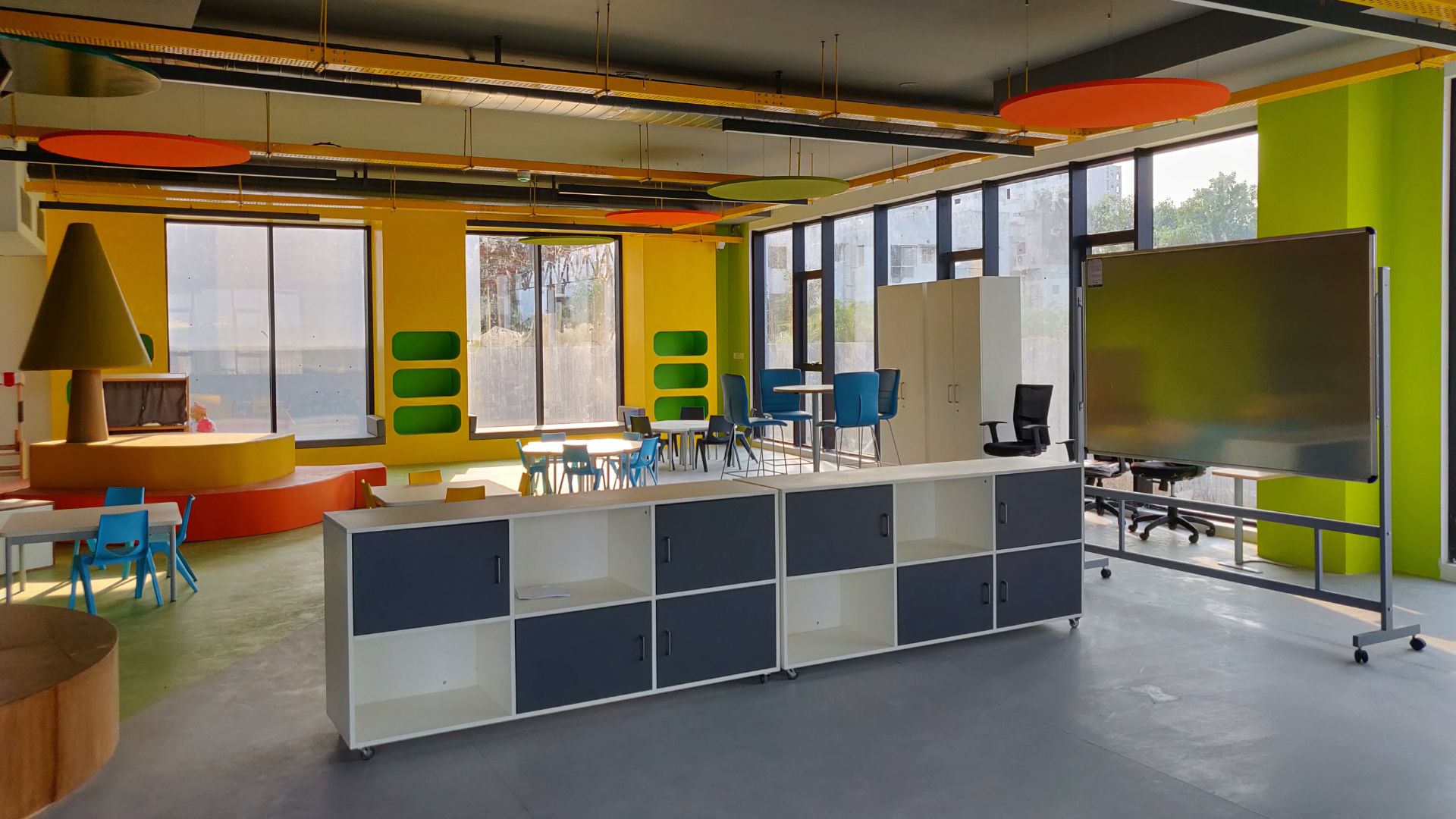
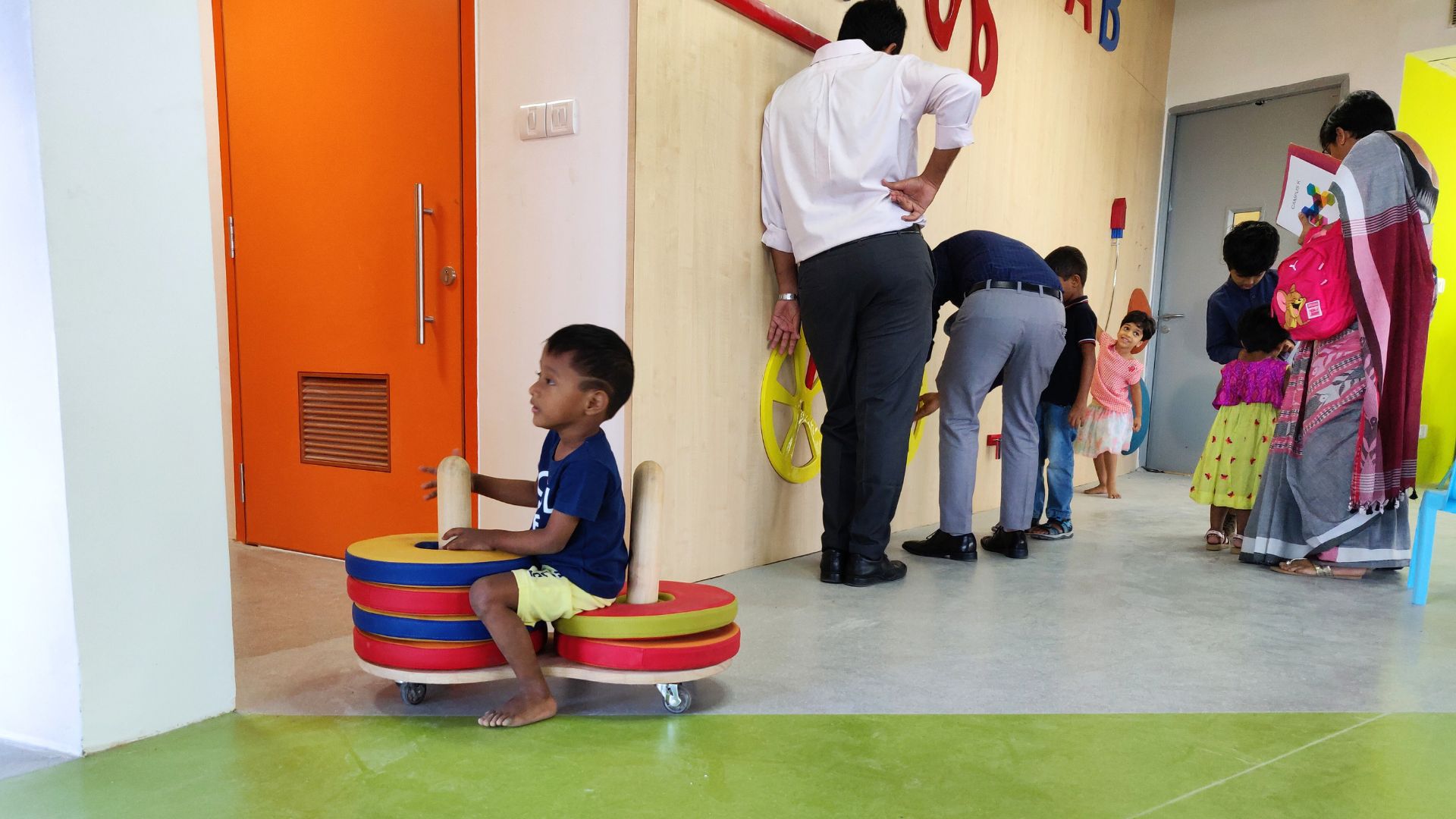
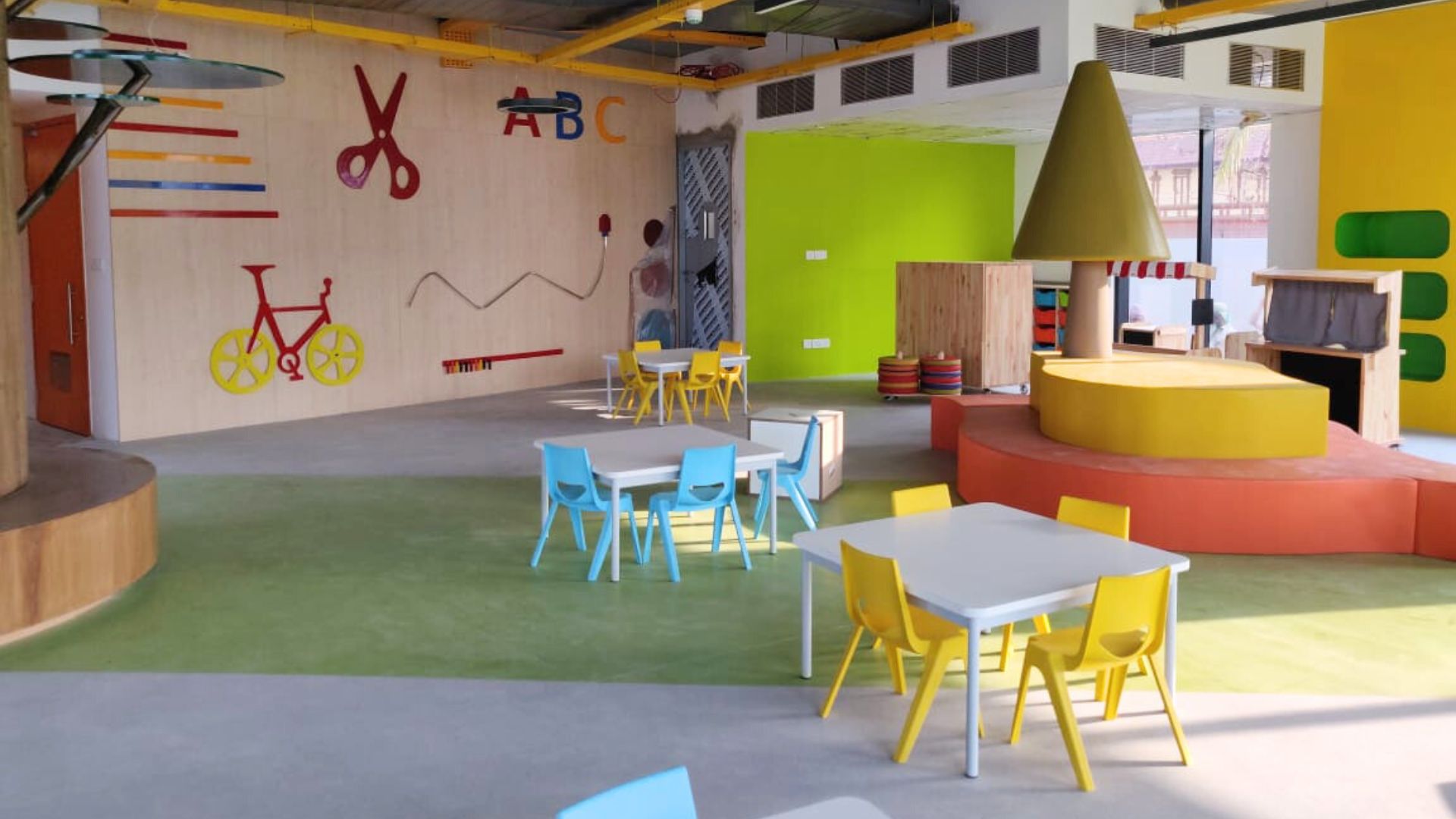
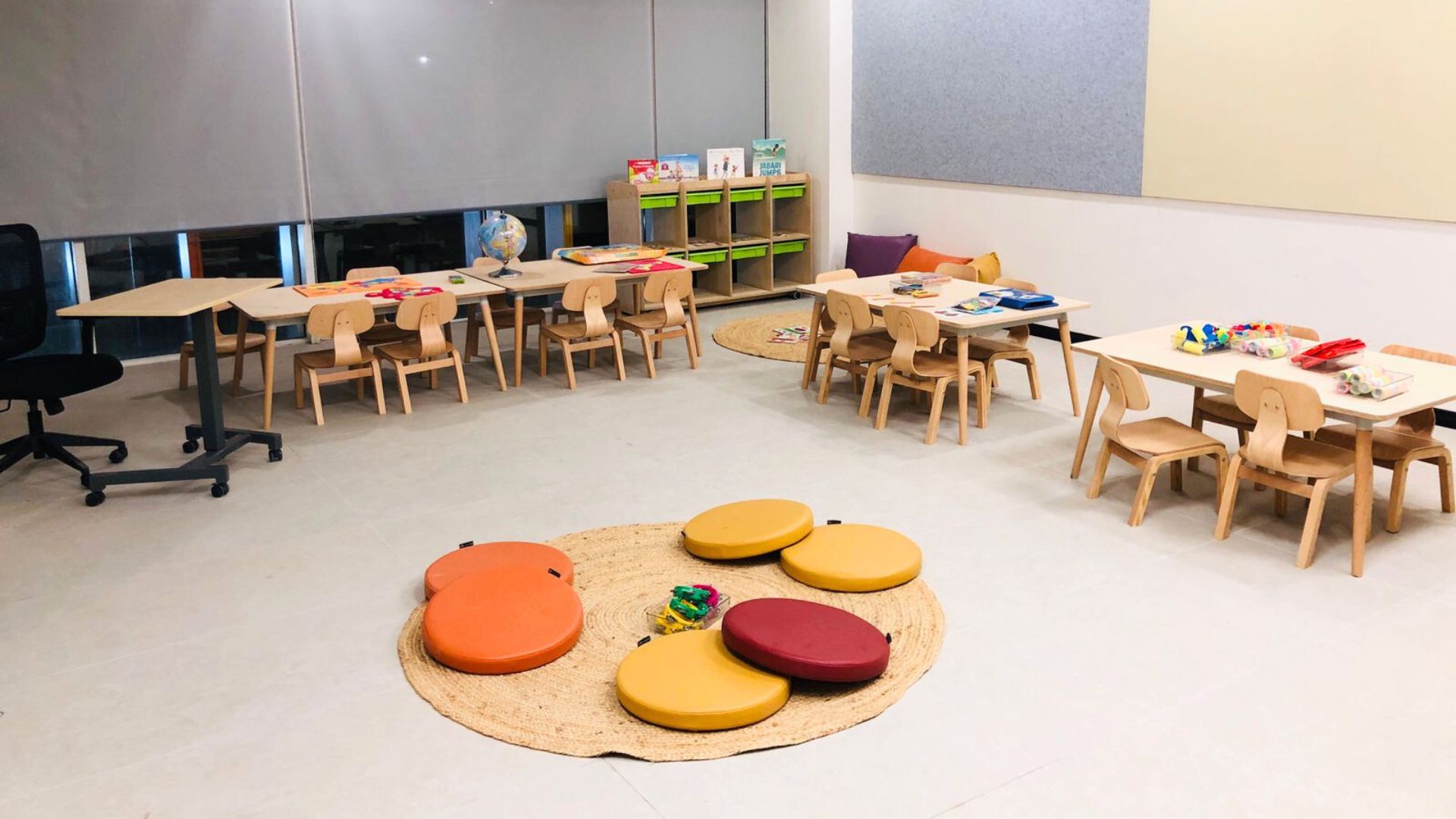
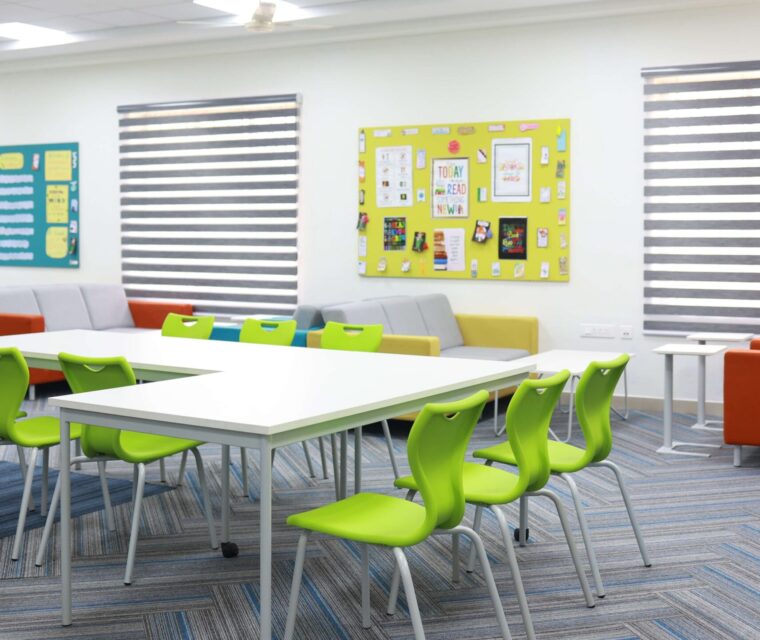
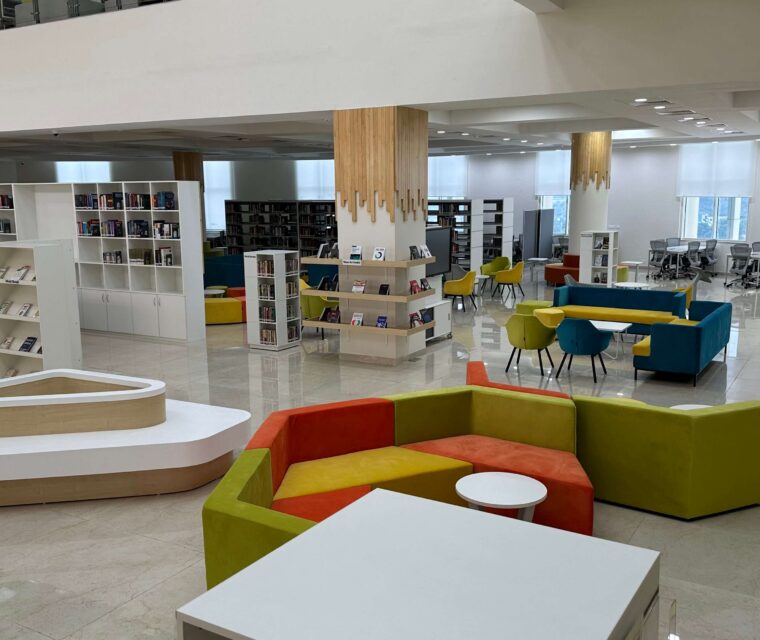
Campus K’s environment is built around purposeful zones that give children agency in choosing how they want to learn. CIVOM supported this through an ecosystem of modular furniture and learning tools that allow spaces to shift between independent work, research, group projects, technology-integrated sessions, and quiet reflection.
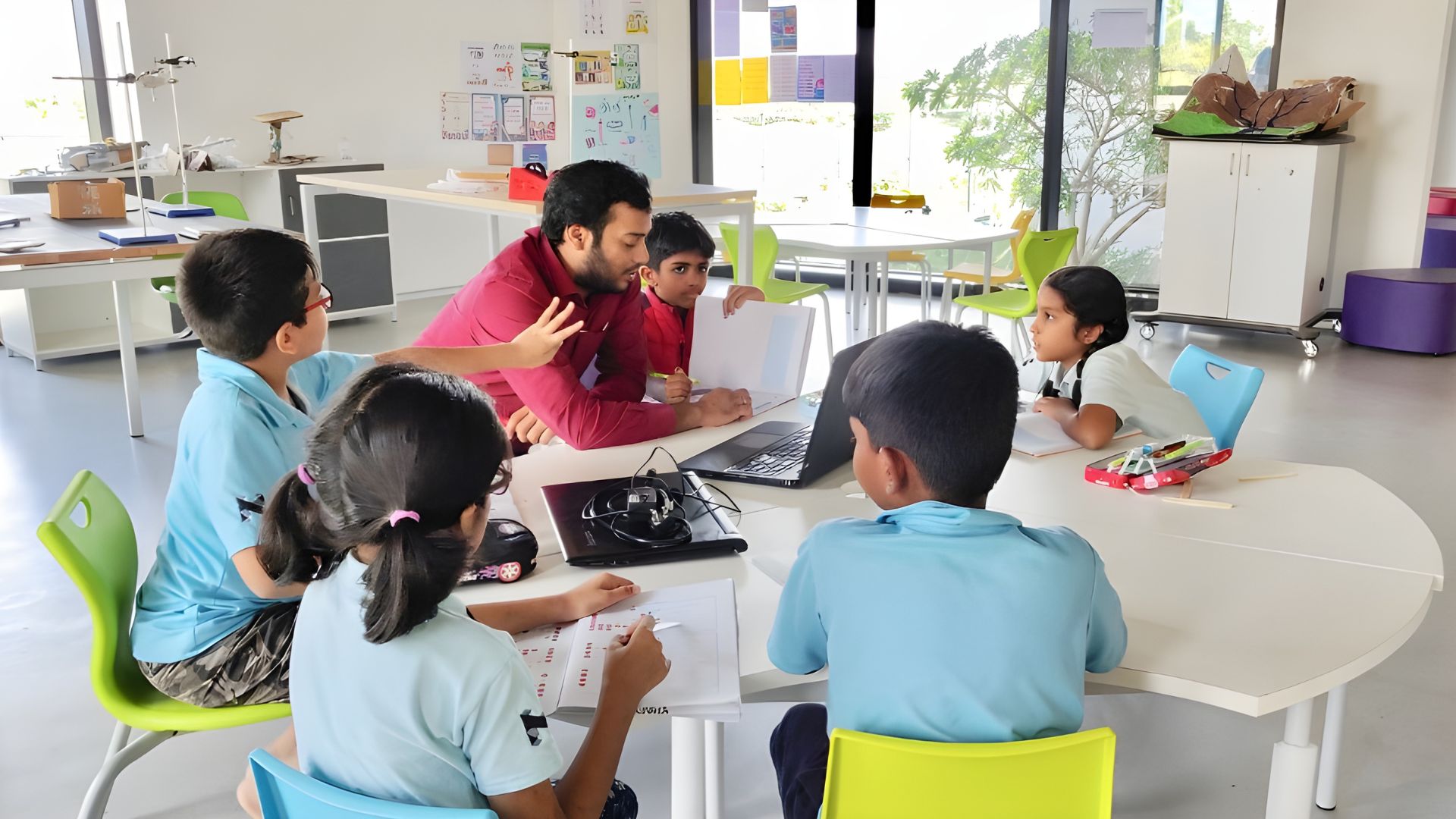
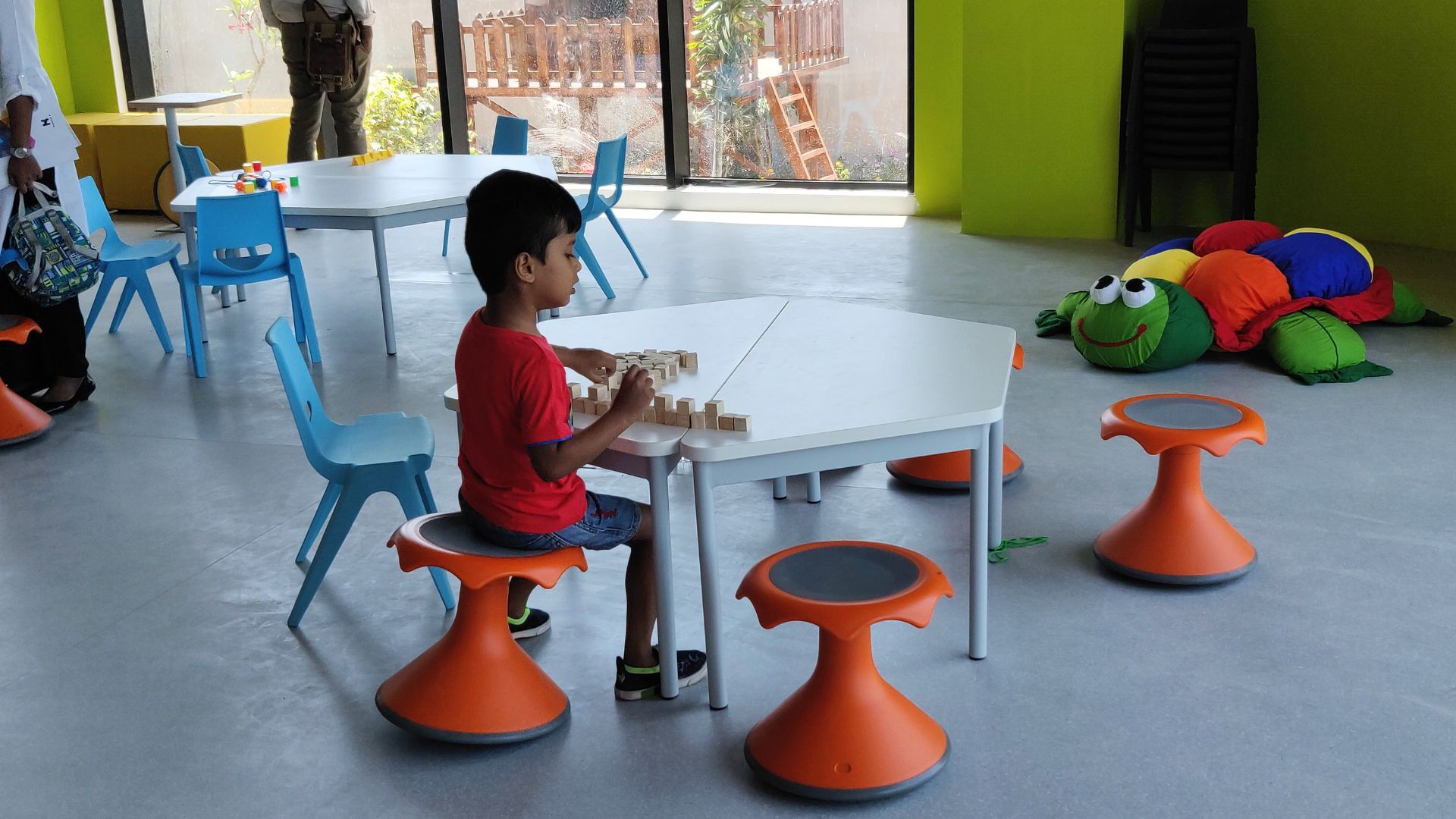
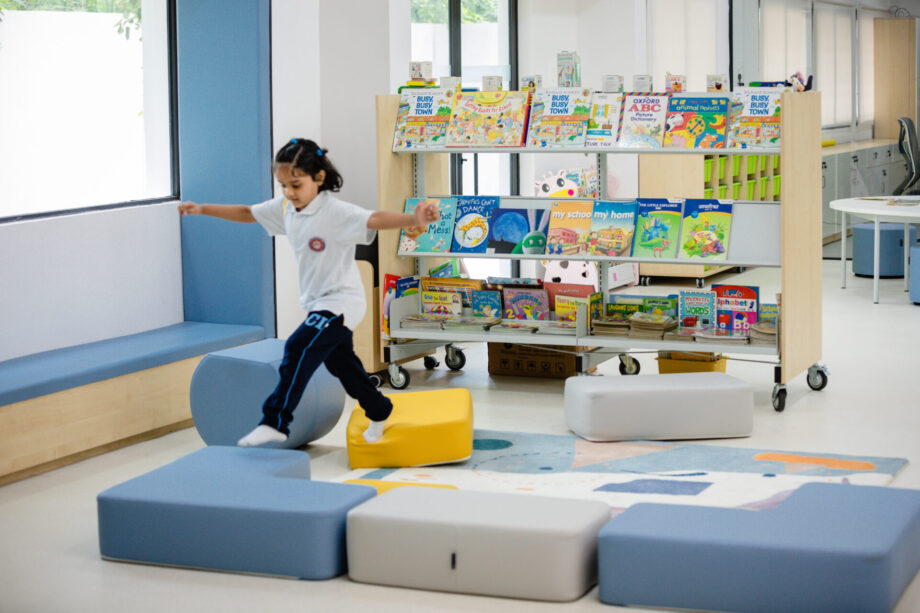
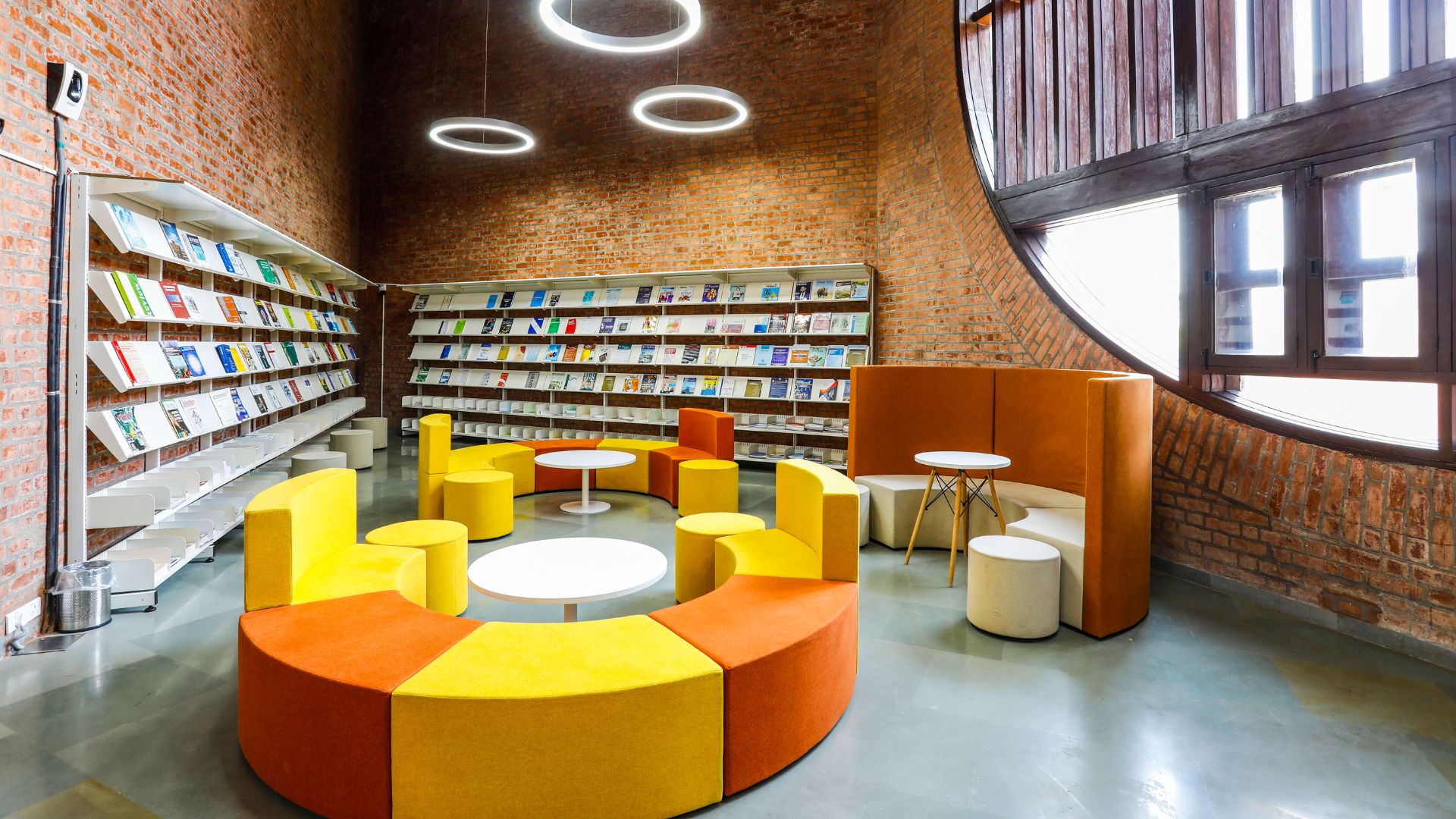
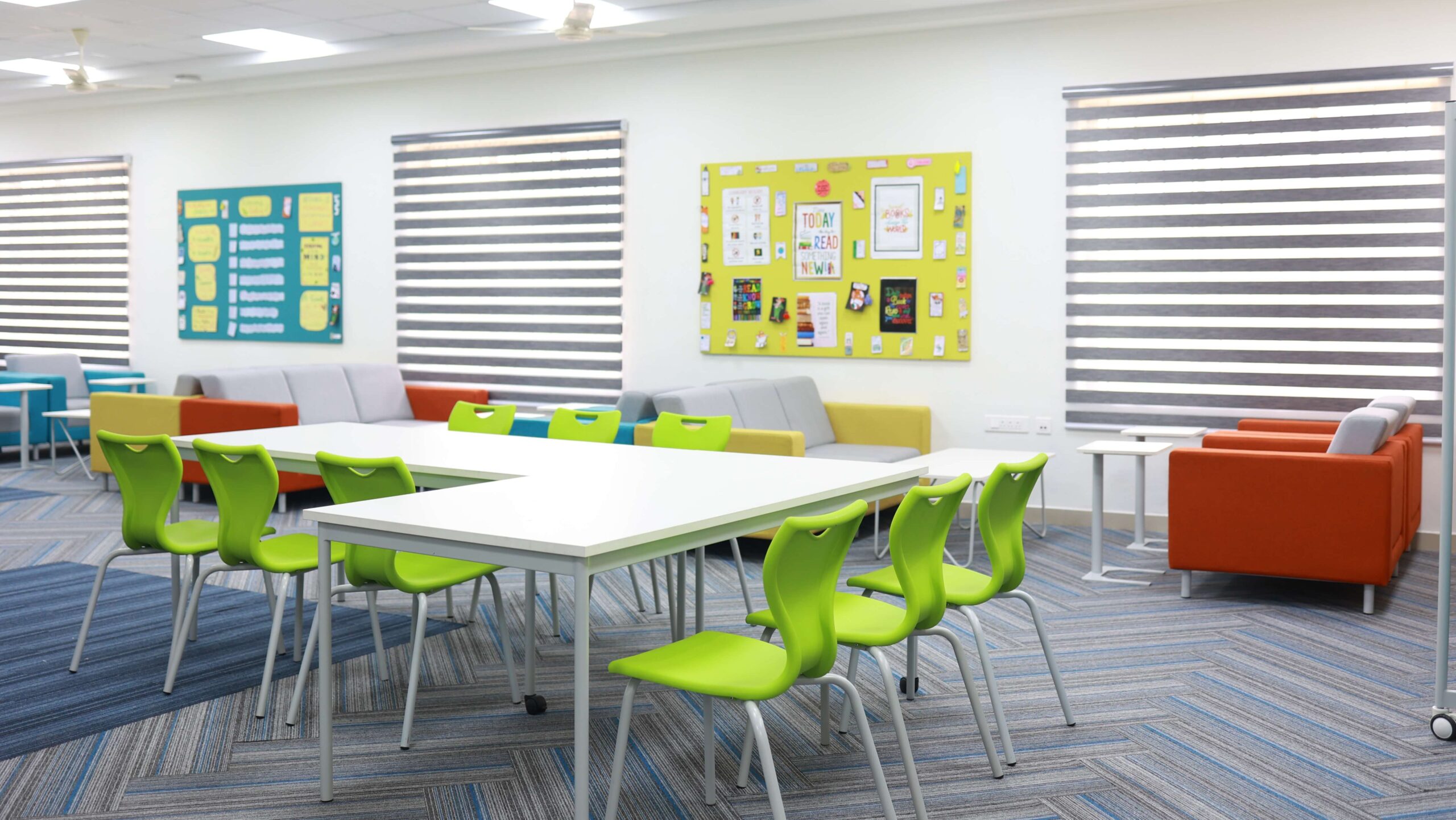
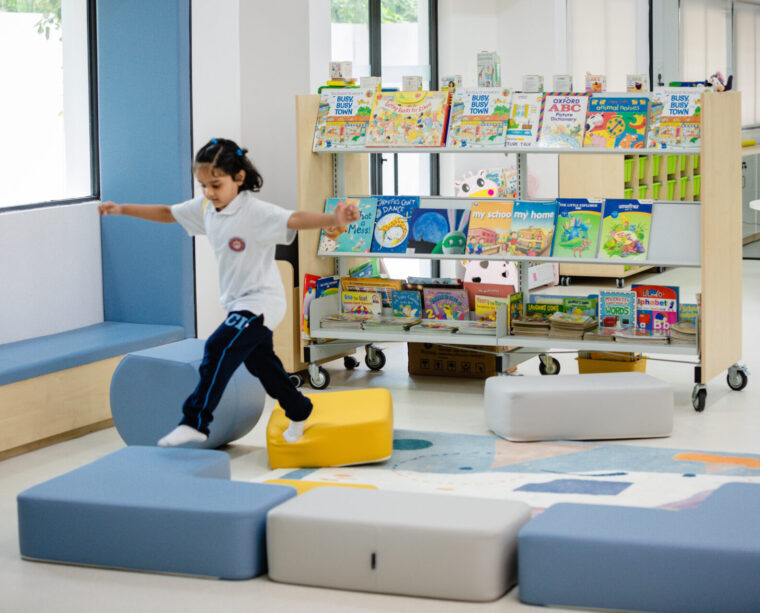
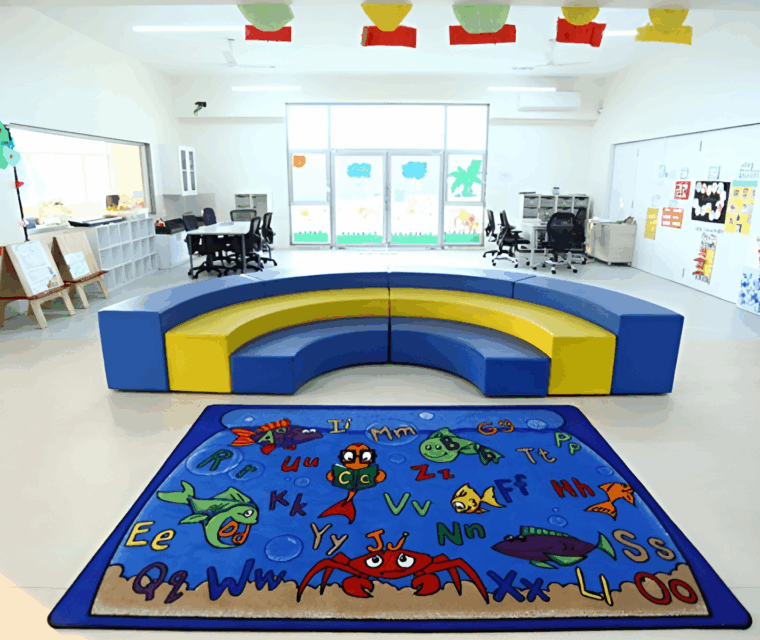
The resource space encourages research through access to journals, reports, case studies, and learning artefacts. Work zones offer dedicated tables and seating for hands-on tasks, prototypes, and collaborative build sessions. Reading areas are designed to support both quiet individual reading as well as peer-led story sharing. The E-Zone creates a dynamic discussion hub with multimedia tools and varied seating, making communication and presentation a natural part of the learning flow.
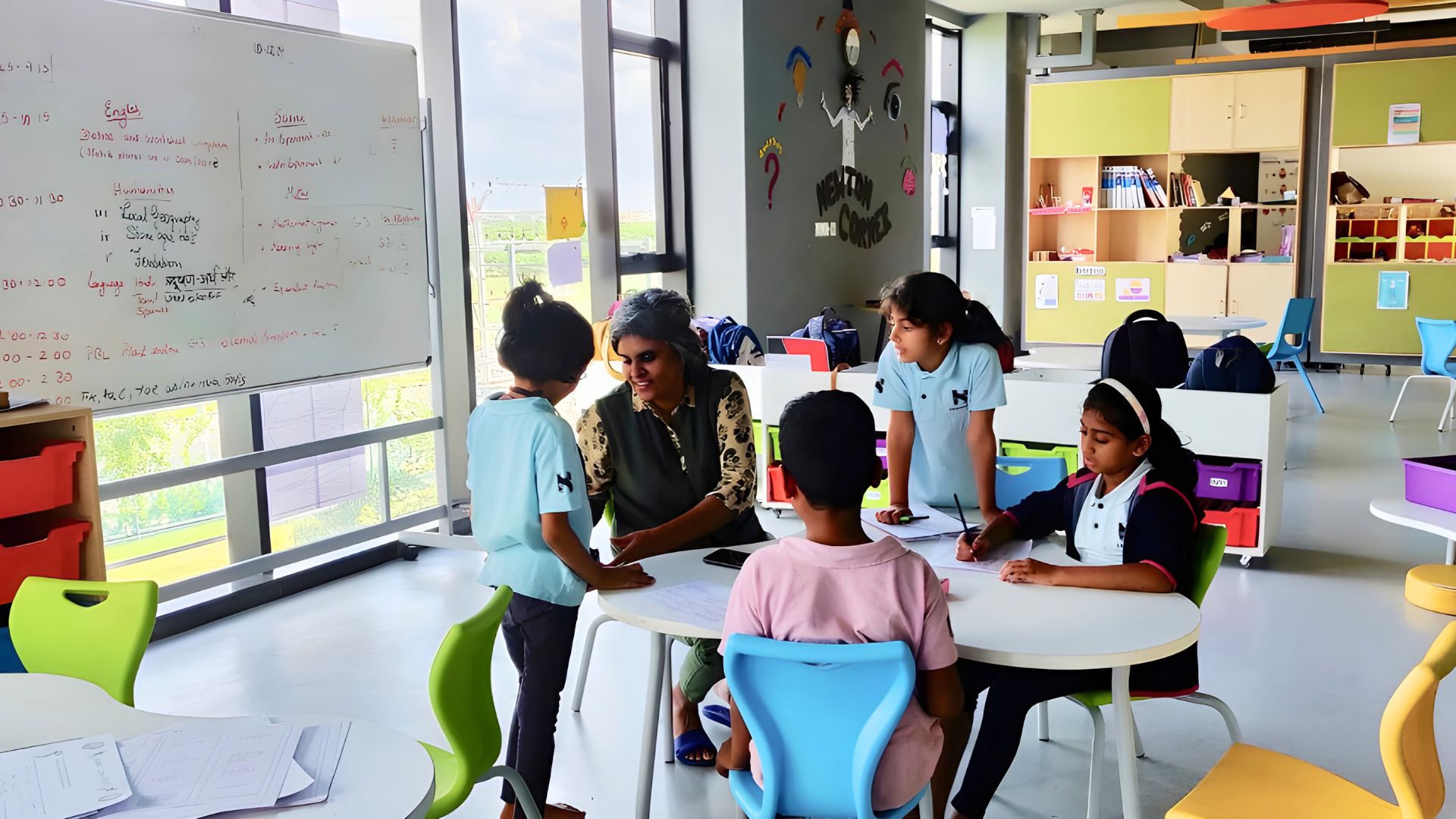
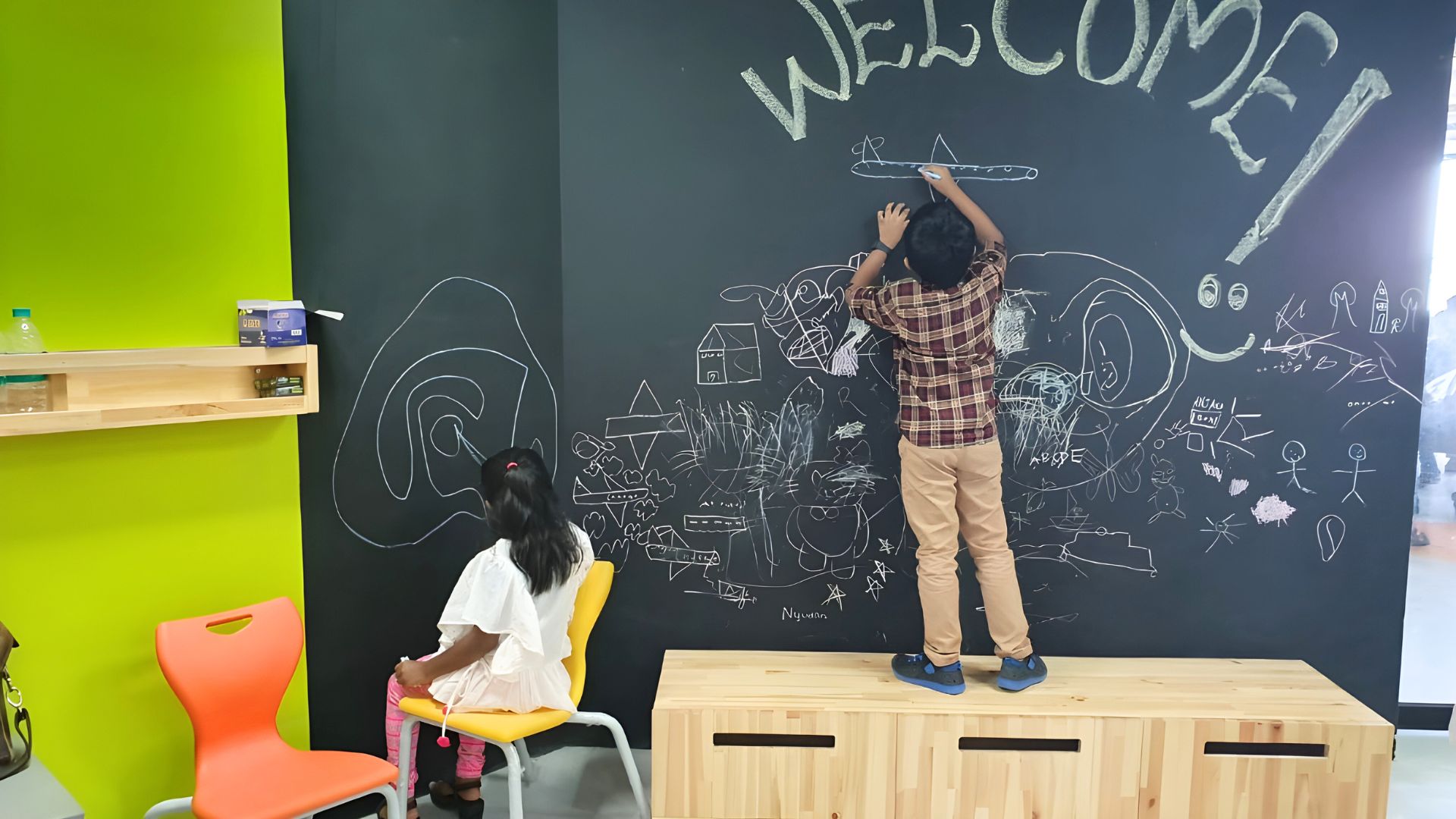
The goal of the Campus K transformation was to create environments that support students in trusting their ideas, experimenting freely, and taking ownership of their learning. CIVOM designed indoor and outdoor learning spaces with flexible furniture, soft seating, writable surfaces, and adaptable layouts that empower students and educators to reconfigure their spaces according to the learning narrative of the day.
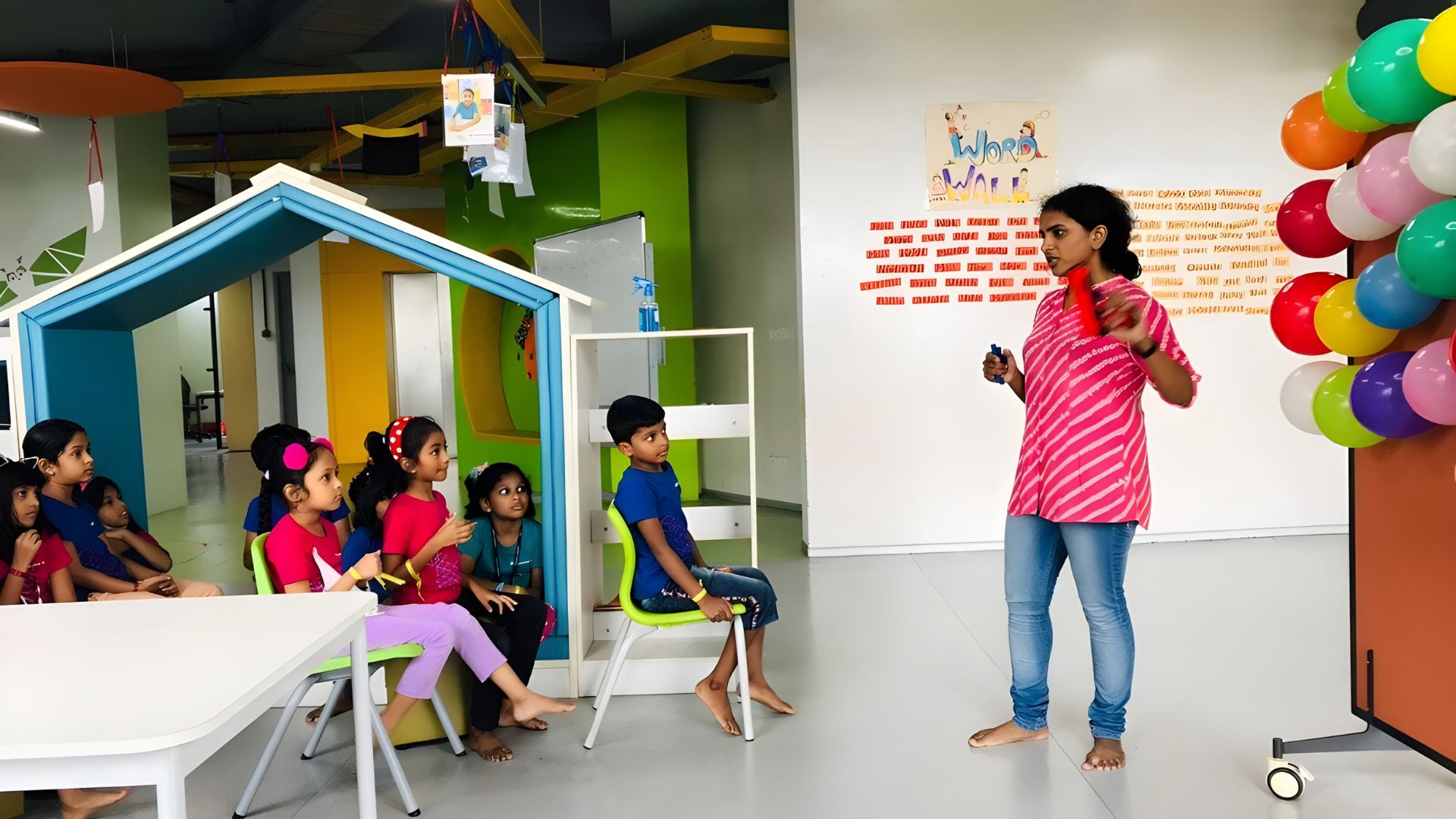
The design supports Constructivist pedagogy, where educators and children co-construct learning experiences by bringing their own perspectives into the classroom. Classrooms are intentionally structured to reduce rigidity and increase movement, choice, and collaboration. Teachers benefit from spaces that support observation, mentorship, and reflective dialogue, while students benefit from zones that encourage curiosity, creativity, and confidence.
From hands-on activity rooms to collaboration corners and open research spaces, every detail reflects a deep respect for how children learn best through inquiry, interaction, and purposeful play. The result is a child-centered environment that remains consistent through the grade years, nurturing individuals who can think critically, communicate clearly, and innovate naturally.